




What's Happening?
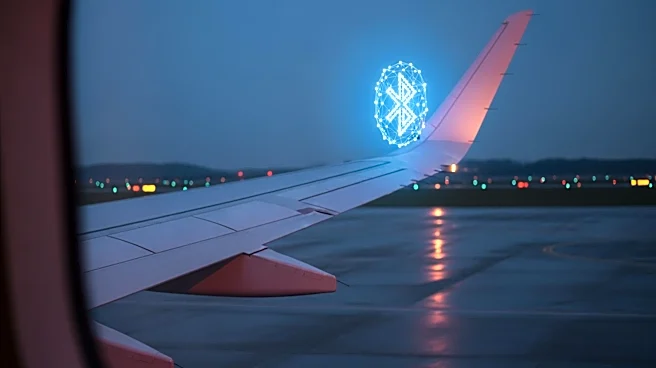
A United Airlines flight bound for Palma de Mallorca, Spain, was forced to return to Newark Liberty International Airport after a Bluetooth device onboard was flagged as a potential security threat. The incident occurred when a device named 'bomb' appeared
on the list of available Bluetooth connections, prompting security concerns. The flight, which had been in the air for about four hours, was turned around, and passengers were instructed to turn off their devices. Upon landing back in Newark, Port Authority police conducted a thorough sweep of the aircraft, and passengers were re-screened by Transportation Security Administration (TSA) and Customs and Border Protection (CBP) officers. It was later discovered that the device in question was a Fitbit owned by a 16-year-old passenger. The flight eventually continued to its destination with a new crew.
Why It's Important?
This incident highlights the heightened security measures in place for air travel and the potential for technology to inadvertently cause disruptions. The quick response by the airline and security agencies underscores the importance of vigilance in ensuring passenger safety. Such incidents can lead to significant delays and inconvenience for travelers, as well as increased scrutiny of personal electronic devices. The involvement of the FBI in the investigation indicates the seriousness with which potential threats are treated, even when they turn out to be false alarms. This event may prompt airlines and security agencies to review and possibly update their protocols for handling similar situations in the future.
What's Next?
The FBI is currently investigating the incident to determine if any further action is necessary. While the teenager involved has not been charged, the investigation may lead to recommendations for changes in how airlines handle similar security alerts. Airlines might also consider implementing additional guidelines for passengers regarding the naming of personal devices to prevent future misunderstandings. The outcome of the investigation could influence policy changes at both the airline and federal levels, potentially affecting how security threats are assessed and managed in the aviation industry.