



What's Happening?
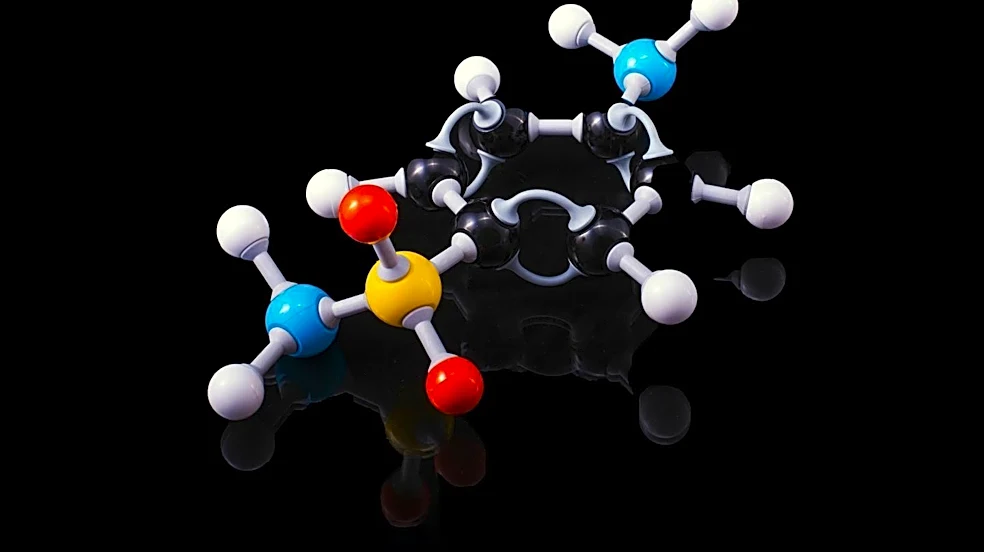
Scientists are raising urgent concerns about the potential creation of 'mirror life' organisms, which are synthetic organisms built from mirrored versions of natural molecules. These theoretical organisms could be undetectable by the immune systems of naturally
chiral organisms on Earth. While mirror life has not yet been created, a group of 38 leading scientists issued a warning in 2024, advocating for a halt to research that could lead to their development. The American Society for Microbiology (ASM) has also highlighted 'mirror life biology' as a term requiring clear definition within U.S. government policy for high-risk life sciences research. The ASM's recommendations to federal agencies emphasize the need for clear definitions, practical examples, and risk-based decision frameworks to distinguish genuinely consequential risks from routine, beneficial research activities, particularly concerning synthetic biology products and infectious agents.
Why It's Important?
The development of 'mirror life' organisms poses a significant, potentially catastrophic risk to humanity. If created, these synthetic lifeforms could evade natural immune responses, leading to unforeseen and uncontrollable biological threats. The scientific community's urgent warning underscores the profound ethical and safety implications of advanced synthetic biology research. The call for a halt on such research reflects a proactive stance to prevent a potential global health crisis. The ASM's engagement with U.S. government policy highlights the need for robust oversight and clear guidelines in high-risk life sciences research to balance scientific advancement with national security and public health. Without precise definitions and careful regulation, beneficial research could be inadvertently stifled, or, conversely, dangerous pathways could be pursued without adequate safeguards.
What's Next?
Federal agencies are expected to develop implementation guidance for the U.S. Government Policy for Stopping High-Risk Life Sciences Research. This guidance will need to provide clear, research-relevant definitions for terms like 'mirror life biology' and 'infectious agent' in the context of synthetic biology. Stakeholders, including the ASM, are advocating for this guidance to distinguish between high-risk research and essential scientific practices, incorporate existing regulatory safeguards into risk assessments, and focus on realistic pathways to harm rather than hypothetical worst-case scenarios. The ongoing dialogue between scientific organizations and government bodies will shape the future of synthetic biology research and its oversight in the U.S., aiming to prevent the creation of potentially devastating biological entities while supporting beneficial scientific endeavors.
Beyond the Headlines
The debate surrounding 'mirror life' organisms touches upon fundamental questions about the boundaries of scientific inquiry and the ethical responsibilities of researchers. The concept challenges our understanding of life itself, as these organisms would operate on a molecular mirror image principle, potentially rendering them invisible to our current biological defenses. This scenario highlights the increasing complexity of synthetic biology and the need for a global ethical framework to govern such powerful technologies. The potential for 'mirror life' to be used as a bioweapon or to cause ecological disruption raises profound concerns about dual-use research and the long-term implications of altering fundamental biological structures. The scientific community's proactive warning signals a growing awareness of the need for self-regulation and robust public discourse on emerging biotechnologies.