





What's Happening?
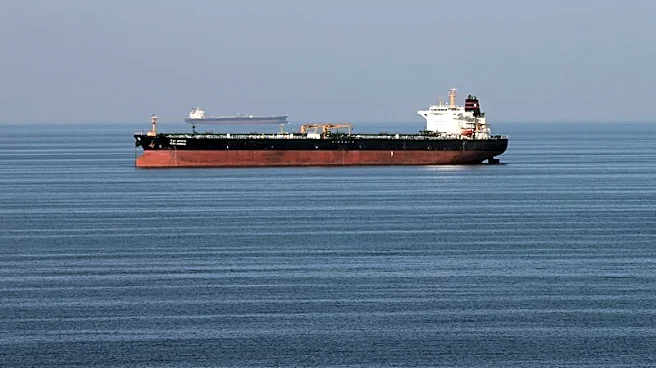
Iran has issued new demands for reopening the Strait of Hormuz, a critical waterway for global oil and gas supplies. The demands include the U.S. ending its military presence in the region, lifting sanctions, and compensating Iran for war damages. This
development follows an attack on a vessel owned by the Abu Dhabi National Oil Co., which Iran is accused of targeting. The situation adds complexity to ongoing negotiations between Iran and other regional players, including Oman, to manage the strait's navigation. The U.S. has yet to respond to these demands, and the deadline for a final deal is approaching.
Why It's Important?
The Strait of Hormuz is a vital chokepoint for global energy supplies, and any disruption can have significant implications for international oil markets and geopolitical stability. Iran's demands, if unmet, could lead to prolonged tensions and potential conflicts in the region, affecting global trade and energy security. The situation underscores the delicate balance of power in the Middle East and the strategic importance of diplomatic negotiations in resolving such high-stakes issues. The outcome of these negotiations could influence U.S. foreign policy and its relations with Middle Eastern countries.