



What's Happening?
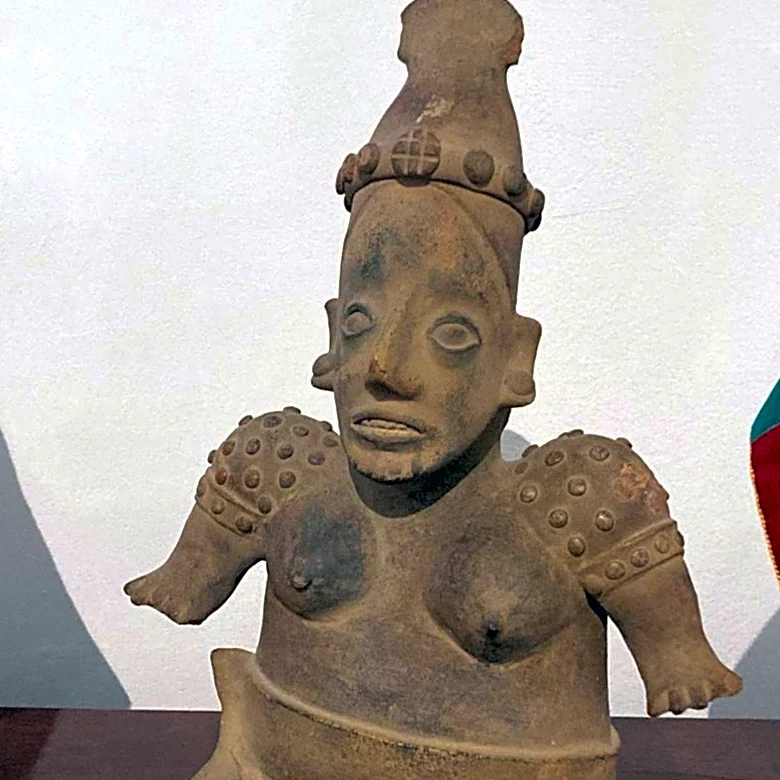
The female figurines of Prehistoric Greece, dating from the Neolithic period through the Bronze Age, have long intrigued archaeologists. These small figures, crafted from materials like clay, marble, or stone, were discovered in various contexts such
as settlements, cemeteries, and sanctuaries. Initially interpreted as representations of a Mother Goddess, recent research suggests they served diverse social, symbolic, religious, and practical purposes. The figurines' varied forms and uses reflect the complexity of prehistoric societies and their interactions with symbolic objects.
Why It's Important?
The study of these figurines offers valuable insights into the social and cultural dynamics of ancient Greek societies. Understanding their roles and meanings can shed light on gender roles, religious practices, and societal values of the time. This research challenges earlier interpretations and highlights the importance of context in archaeological studies, emphasizing the need for a nuanced understanding of ancient artifacts.
What's Next?
Future research may focus on further exploring the diverse contexts and uses of these figurines, potentially uncovering new aspects of prehistoric Greek life. Advances in technology and analytical methods could provide deeper insights into the materials and techniques used in their creation, as well as their symbolic significance. Collaborative efforts among archaeologists, historians, and anthropologists will be crucial in expanding our understanding of these ancient societies.
Beyond the Headlines
The reinterpretation of these figurines reflects broader shifts in archaeological theory, moving away from monolithic interpretations towards more complex and context-sensitive analyses. This approach acknowledges the diversity and richness of ancient cultures, challenging assumptions and encouraging a more inclusive understanding of history. The study of these figurines also intersects with discussions on gender and identity, offering perspectives on how ancient societies perceived and represented women.