


What's Happening?
Chikungunya is a viral disease transmitted primarily through the bite of infected Aedes mosquitoes, characterized by sudden fever, severe joint pain, headache, muscle pain, rash, and fatigue. The disease, first identified in Tanzania in 1952, has become
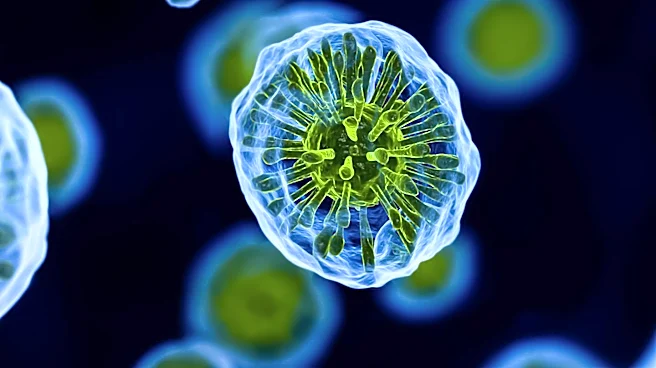
a significant public health concern in tropical and subtropical regions. It spreads through the bites of infected Aedes mosquitoes, the same vectors responsible for dengue and Zika. The virus has expanded globally due to factors like globalization, increased travel, urbanization, and the widespread distribution of mosquito vectors. Major outbreaks have occurred in the Indian Ocean islands, Europe, and the Americas. The disease is caused by the Chikungunya virus (CHIKV), an RNA virus transmitted mainly through the bites of infected female Aedes aegypti and Aedes albopictus mosquitoes. Environmental conditions such as heavy rainfall and poor drainage systems contribute to its spread.
Why It's Important?
Chikungunya poses a significant health challenge due to its debilitating symptoms, particularly persistent joint pain, which can last for months or years. The disease's spread is facilitated by environmental factors and increased global travel, making it a concern for public health systems worldwide. The lack of specific antiviral treatment means that management focuses on symptom relief, highlighting the importance of prevention through mosquito control and public awareness. The global spread of chikungunya underscores the need for strengthened surveillance and vector control programs to prevent outbreaks and reduce the disease burden.
What's Next?
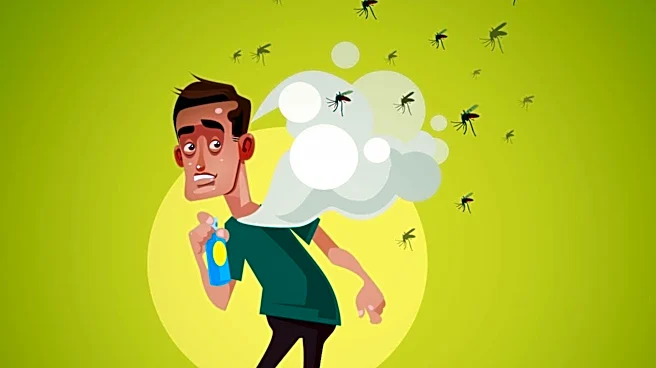
Efforts to control chikungunya focus on reducing mosquito populations and minimizing human exposure to mosquito bites. Public health campaigns and vector control programs are crucial in preventing outbreaks. Individuals can protect themselves by using insect repellents, wearing long-sleeved clothing, and eliminating mosquito breeding sites. Continued research and development of vaccines and treatments are essential to address the growing threat of chikungunya and other mosquito-borne diseases.