


What's Happening?
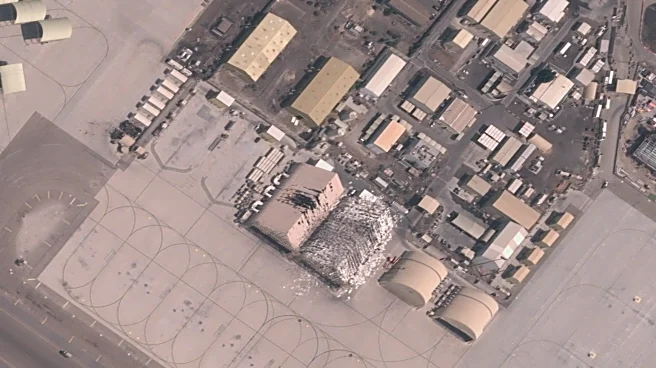
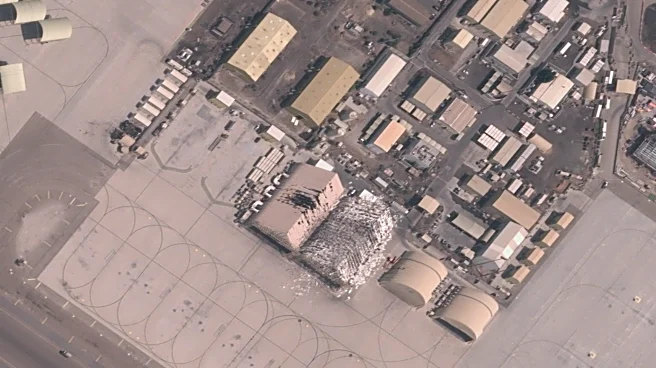
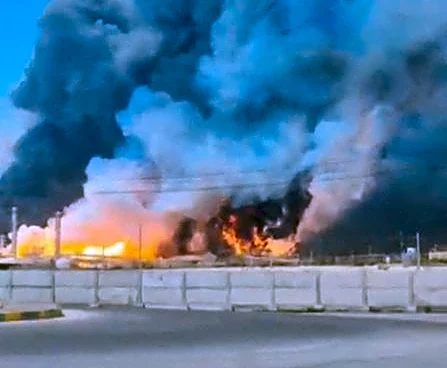
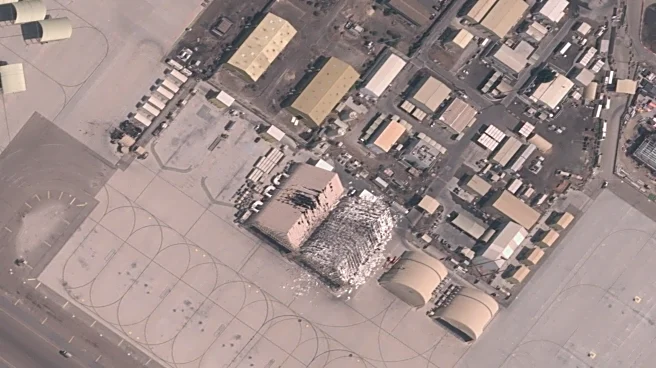
Iran has escalated its attacks on Gulf energy sites in response to an Israeli strike on its South Pars gas field. The conflict has led to significant disruptions in global energy markets, with Brent crude oil prices reaching $118 a barrel. Key facilities
in Qatar, Saudi Arabia, and Kuwait have been targeted, causing extensive damage and raising concerns about global energy supply. The situation has drawn international condemnation, with calls for a truce and negotiations as the conflict threatens to draw in Iran's Arab neighbors.
Why It's Important?
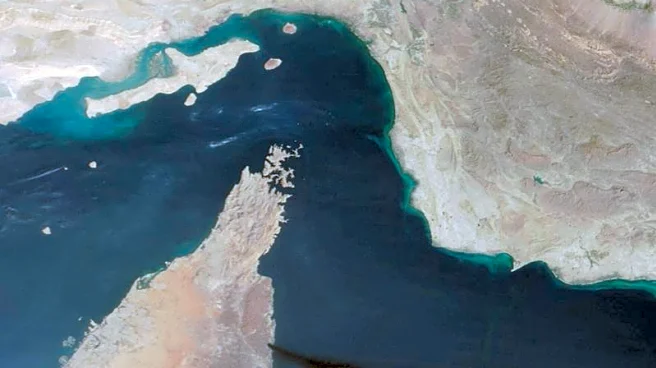
The conflict poses a major threat to global energy security, as the Gulf region is a critical supplier of oil and natural gas. Disruptions could lead to prolonged increases in energy prices, affecting economies worldwide. The situation also highlights the geopolitical risks associated with energy dependence on volatile regions. The potential for further escalation, including U.S. military involvement, could have significant implications for regional stability and global markets.
What's Next?
Diplomatic efforts are likely to intensify to prevent further escalation, with potential international mediation to de-escalate tensions. However, the risk of military conflict remains high, especially with ongoing retaliatory strikes. The situation may lead to increased military presence in the region to protect energy routes and infrastructure. Global markets will continue to react to developments, with potential long-term impacts on energy prices and supply chains.