




What's Happening?
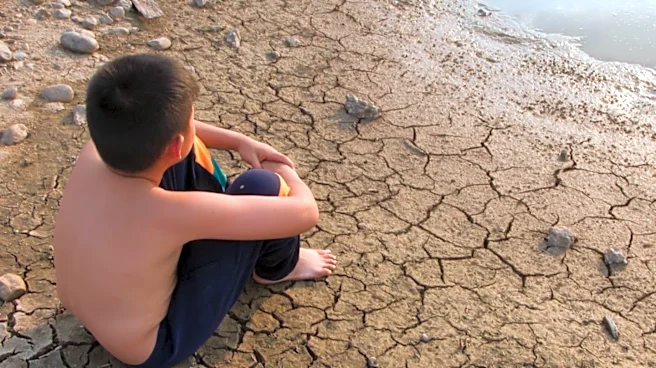
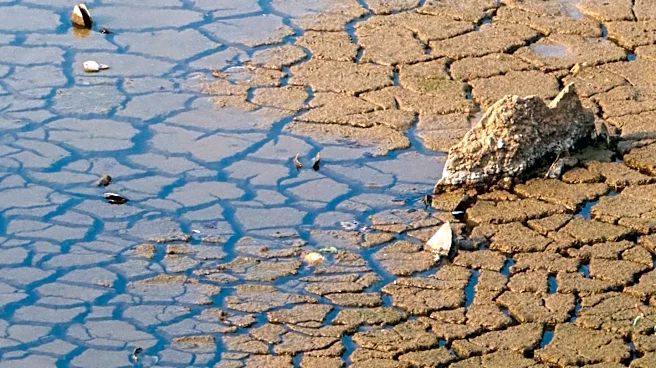
Cheju-do, South Korea, faces an intensifying drought hazard and water scarcity, a situation exacerbated by climate change. Droughts are slow-onset events that can impact vast geographical areas and multiple sectors, leading to consequences such as crop
failures, reduced food production, and decreased availability of electricity and fresh water. Model projections regarding changes in drought hazard due to climate change are inconsistent, but there is a consensus that the current hazard level is likely to increase in the future. This necessitates that projects in the region be designed with robustness to withstand increased drought conditions and water scarcity in the long term. Recommendations include conducting risk assessments to evaluate project vulnerability and considering detailed assessments and interventions.
Why It's Important?
The escalating water scarcity in regions like Cheju-do, South Korea, has significant implications for global stability and U.S. interests. As a key economic and strategic partner, South Korea's environmental challenges can indirectly affect U.S. supply chains and economic stability. Crop failures and reduced food production due to drought can lead to increased global food prices, impacting U.S. consumers and potentially contributing to international food insecurity. Furthermore, the need for robust infrastructure and water management solutions in affected areas presents opportunities for U.S. companies specializing in water technology and climate resilience. The situation also underscores the broader global challenge of climate change, which the U.S. is actively working to address through international cooperation and policy initiatives, as environmental degradation in one part of the world can have cascading effects globally.
What's Next?
To mitigate the impacts of increasing drought and water scarcity, Cheju-do and similar regions will need to implement comprehensive water management strategies. These strategies may include measures to store fresh water, develop alternative energy supplies like solar or wind power to reduce reliance on water-intensive energy sources, and initiatives to minimize water overuse. Agricultural management practices will also need to adapt, potentially through the planting of drought-resistant crops. It is crucial that these management options are not treated in isolation, as their impact on other areas can be significant. Continued risk assessments and detailed studies will be essential to inform decision-making and ensure the long-term resilience of infrastructure and communities against climate change-induced water stress.
Beyond the Headlines
The situation in Cheju-do highlights a broader ethical and policy challenge: how to balance economic development with environmental sustainability in the face of climate change. The inconsistent model projections for drought underscore the scientific uncertainties inherent in climate forecasting, making long-term planning complex. This necessitates a precautionary approach, where investments are made in resilient infrastructure and adaptive strategies even amidst uncertainty. The emphasis on integrated water scarcity management, considering its impact on various sectors, reflects a growing understanding of the interconnectedness of environmental, economic, and social systems. This holistic perspective is crucial for developing sustainable solutions that address not only the immediate water crisis but also its underlying causes and broader societal implications.