



What's Happening?
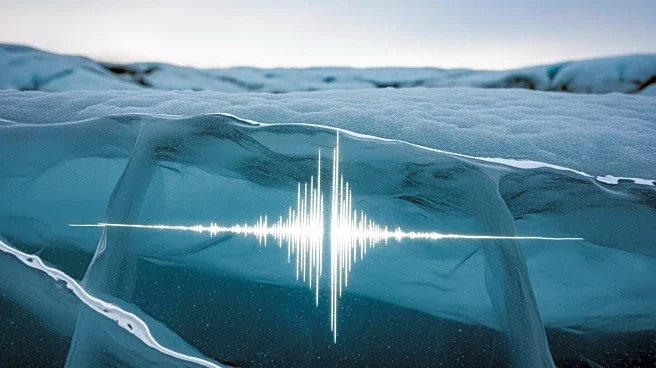
Scientists have identified over 360 previously undetected earthquakes beneath Antarctica's Thwaites Glacier from 2010 to 2023. This discovery, made by researchers at Australian National University, reveals the glacier's instability. Known as the 'Doomsday
Glacier,' Thwaites covers an area the size of Florida, and its potential collapse could raise global sea levels by up to 10 feet. The seismic activity, primarily occurring where the glacier meets the Amundsen Sea, is linked to mechanical failures and melting caused by warm ocean water. This glacier, along with Pine Island Glacier, anchors the West Antarctic Ice Sheet, which holds enough ice to significantly raise sea levels.
Why It's Important?
The collapse of Thwaites Glacier poses a significant threat to global coastlines, particularly affecting major US cities like New York, Miami, and New Orleans. A 10-foot rise in sea levels could inundate approximately 28,800 square miles of US coastal land, impacting an estimated 12.3 million people. The newly identified seismic activity highlights the glacier's increasing instability, prompting international research teams to enhance monitoring efforts. This includes deploying additional instruments and integrating seismic data with satellite imagery and ice-flow models to better predict future changes.
What's Next?
International research teams are expanding their monitoring efforts to better understand and predict the glacier's behavior. This includes deploying more instruments and combining seismic data with satellite imagery and ice-flow models. The findings underscore the urgency of addressing the risks posed by Thwaites Glacier to global coastlines, as scientists continue to debate the timeline of a potential collapse.