





What's Happening?
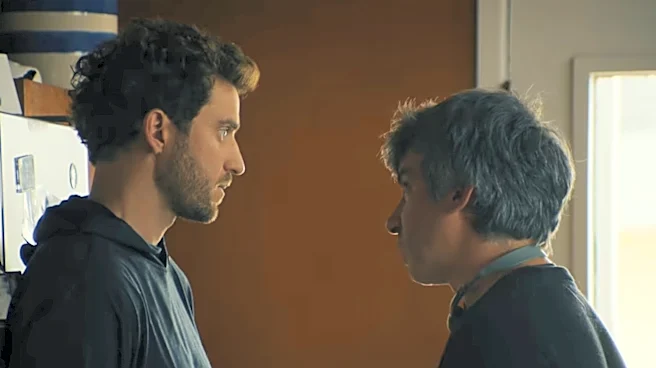
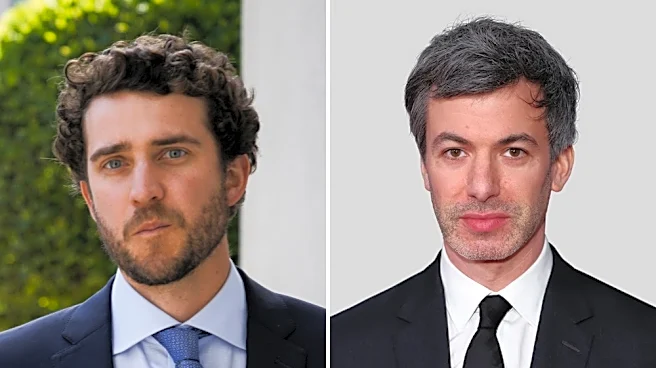
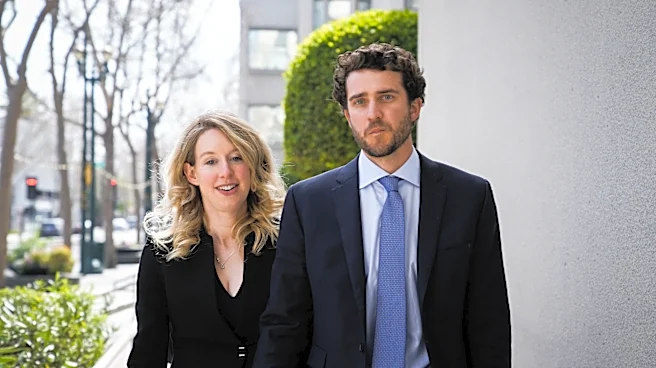
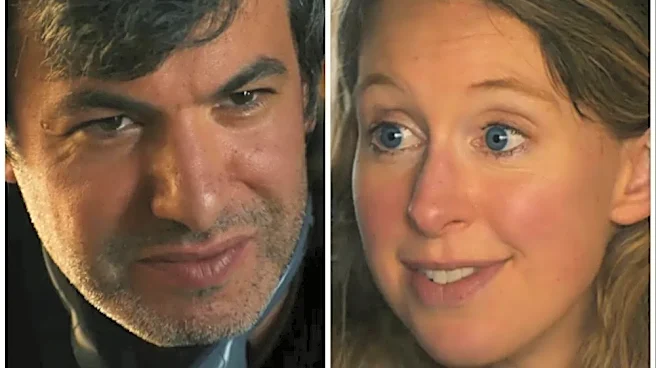
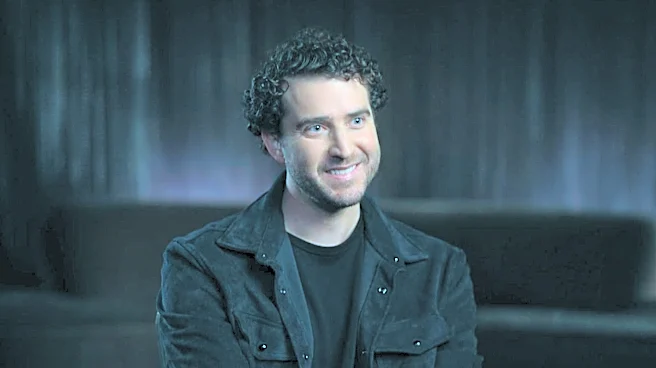
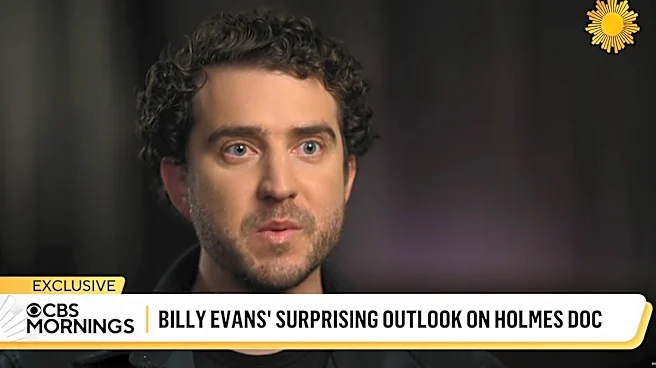
Billy Evans, partner of disgraced Theranos co-founder Elizabeth Holmes, has given his first television interview to discuss his characterization in the documentary 'You Can See Everything.' Evans addressed how he is depicted in the film and also spoke
about threats he claims have been made against his family's safety. The interview sheds light on his personal experience amidst the public scrutiny surrounding Elizabeth Holmes and the Theranos scandal. This marks a significant public statement from Evans regarding the ongoing narrative and the impact it has had on his life and family.
Why It's Important?
This interview is important because it offers a new perspective from a key individual closely associated with Elizabeth Holmes, whose story has captivated national attention. The Theranos case, involving allegations of massive fraud in the healthcare technology sector, has had significant implications for investor confidence, regulatory oversight, and the public's perception of startup culture. Evans's comments on his portrayal and the threats to his family highlight the personal toll that high-profile legal battles and media narratives can take on those connected to the central figures. His account could influence public opinion and media discourse surrounding the Theranos saga, potentially shifting focus to the broader human impact of such events.
What's Next?
The interview by Billy Evans is likely to generate further discussion and analysis among the public and media outlets covering the Theranos case. While the legal proceedings against Elizabeth Holmes have largely concluded, the documentary and public interest in the story continue. Evans's statements may prompt further examination of the documentary's narrative choices and could lead to more nuanced conversations about the individuals involved. It remains to be seen if his comments will lead to any new developments regarding the alleged threats to his family, or if they will simply serve to provide a personal counter-narrative to the existing public perception.
Beyond the Headlines
Beyond the immediate news, Evans's interview touches upon deeper themes of media representation, public perception, and the personal consequences of corporate scandal. The 'You Can See Everything' documentary, like many true-crime narratives, shapes public understanding of complex events. Evans's decision to speak out underscores the tension between factual reporting and narrative construction in media. It also raises questions about the ethical responsibilities of documentary filmmakers and journalists when portraying individuals, especially those connected to controversial figures. The discussion of threats against his family also highlights the often-overlooked human cost and security concerns that can arise for individuals caught in the crosshairs of intense public and media scrutiny.