




What's Happening?
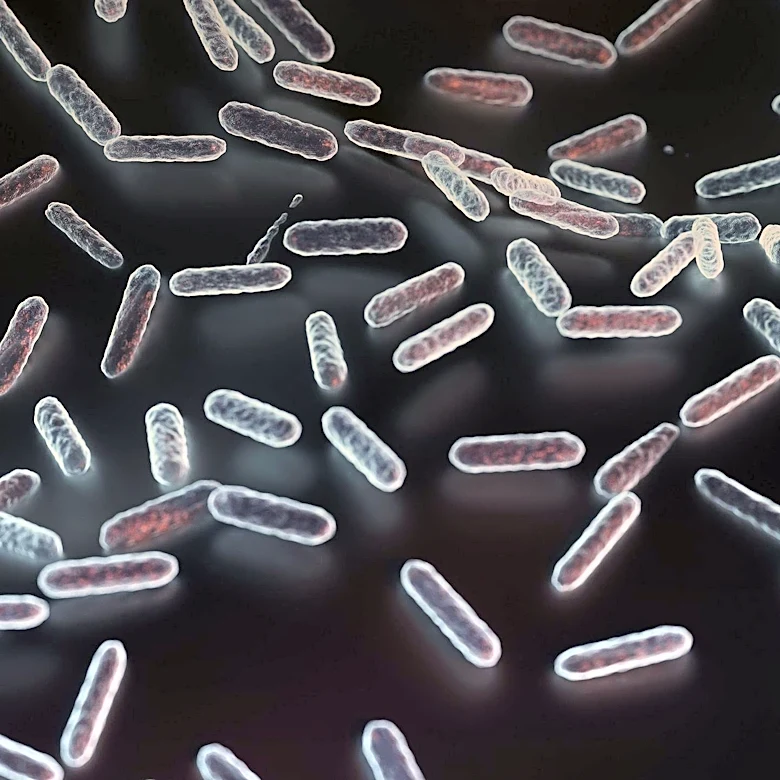
A large observational study conducted by Mayo Clinic and published in Cell has found that gut bacteria profiles in cancer patients can predict survival rates and chemotherapy side effects even before treatment begins. This research, which analyzed stool
samples from over 1,300 cancer patients, aligns with growing evidence connecting the gut microbiome to cancer outcomes and therapy response. The study identified 341 bacterial species linked to five cancer groups and observed that specific microbial differences correlate with patient outcomes and treatment tolerance. Prior research has also indicated that gut microbiome composition influences responses to immunotherapy and chemotherapy, with certain bacteria associated with better or worse outcomes in various cancers, including melanoma, gastrointestinal, and hepatobiliary cancers. The findings suggest that microbial genes may influence chemotherapy side effects, adding to the mechanistic understanding of how the gut microbiome impacts cancer progression and treatment.
Why It's Important?
This study is important because it reinforces the critical role of the gut microbiome in cancer therapy, suggesting its potential as a diagnostic and prognostic tool. The ability to predict patient survival and chemotherapy side effects based on microbial profiles could revolutionize personalized cancer treatment. For U.S. healthcare, this could lead to more tailored therapeutic strategies, potentially improving efficacy and reducing adverse reactions. Patients stand to gain from more precise treatment plans, while healthcare providers could benefit from enhanced predictive capabilities. The findings also highlight the need for further research into microbiome-based biomarkers and interventions, which could drive innovation in pharmaceutical and biotechnology sectors focused on microbiome modulation. Understanding these links could ultimately lead to better patient stratification and individualized care, optimizing resource allocation and improving overall cancer care outcomes.
What's Next?
Future research will likely focus on clarifying the causal relationships between specific microbial signatures and cancer outcomes, standardizing microbiome-based biomarkers, and developing effective interventions. Clinical trials are already exploring strategies such as fecal microbiota transplantation and dietary modifications to shape the microbiome for therapeutic benefit. The translational potential of these findings includes the development of new risk stratification tools and microbiome-modulating therapies. Further investigation is needed to understand how microbial communities, host immunity, and cancer cells interact, and to explore the direct and indirect effects of bacteria on tumor microenvironments and systemic immune responses. The goal is to enable more personalized and effective cancer treatments by integrating microbiome-derived functional data into therapeutic drug monitoring and pharmacokinetic models.
Beyond the Headlines
The deeper implications of this research extend to a paradigm shift in how cancer is understood and treated, moving beyond traditional genetic and cellular approaches to include the complex ecosystem of the human microbiome. This could lead to ethical considerations regarding the manipulation of the microbiome and the potential for unintended consequences. Culturally, it may foster a greater appreciation for the body's internal microbial environment and its profound impact on health and disease. Long-term, this development could trigger shifts in medical education, public health initiatives, and even dietary recommendations, emphasizing gut health as a cornerstone of disease prevention and treatment. The integration of microbiome science into mainstream oncology could also spur significant investment in related research and development, creating new industries and therapeutic avenues.