







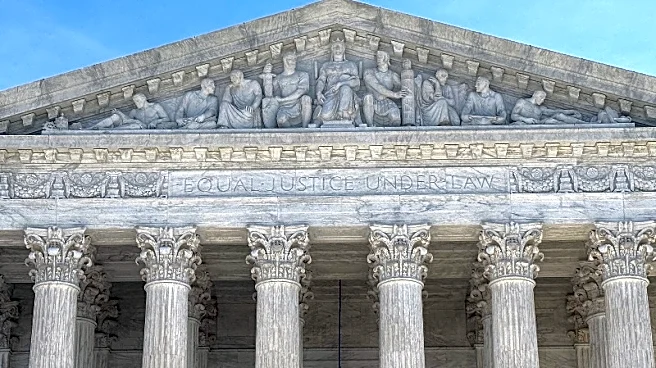
What's Happening?
House Bill 26-1281 in Colorado is facing opposition for its approach to valuing human lives differently based on arbitrary factors. The bill proposes a framework where the severity of homicide charges could depend on characteristics of the victim or circumstances
of the crime, rather than the actions of the offender. Critics argue this could lead to inconsistent legal outcomes, where similar acts of violence are punished differently. The Rocky Mountain Victim Law Center, a nonprofit serving crime victims, has voiced strong opposition, emphasizing the importance of treating all victims equally under the law.
Why It's Important?
The debate over HB26-1281 highlights significant ethical and legal concerns about how justice is administered. If passed, the bill could set a precedent for valuing lives differently based on factors like age, profession, or the number of victims, potentially undermining public trust in the legal system. This could have far-reaching implications for how crimes are prosecuted and how victims' families perceive justice. The controversy also reflects broader societal debates about equality and fairness in the legal system, particularly in cases involving violent crimes.
What's Next?
The bill's progression through the legislative process will be closely watched by both supporters and opponents. If the bill advances, it may face legal challenges or calls for amendments to address concerns about fairness and equality. Public advocacy groups and legal experts are likely to continue their efforts to influence lawmakers and raise awareness about the potential consequences of the bill. The outcome could impact future legislative efforts related to criminal justice reform in Colorado and beyond.