





What's Happening?
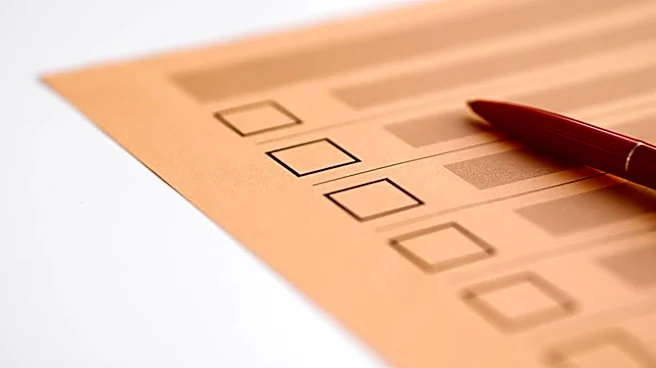
HSHS Holy Family Hospital in Greenville and HSHS St. Joseph’s Hospitals in Breese and Highland, Illinois, are actively seeking public input to identify the most pressing health needs in Bond, Clinton, and Madison counties. Residents are encouraged to participate
in a Community Health Survey designed to pinpoint local health challenges, priorities, and quality-of-life concerns. These surveys are a crucial part of the hospitals' ongoing community health assessments, which guide the development of Community Health Improvement Plans. The information gathered ensures that future programs, services, and resources effectively address the issues identified by local residents. Previous surveys have already led to tangible improvements, such as the creation of a social care referral platform that connects patients with community resources for food, housing, and transportation. Kimberly Luz-Mobley, HSHS Executive Director of Community Health, emphasized the importance of direct community feedback in focusing efforts and resources.
Why It's Important?
This initiative by HSHS Hospitals is vital for ensuring that healthcare services are tailored to the specific needs of the communities they serve in Bond, Clinton, and Madison counties. By directly engaging residents through surveys, the hospitals can identify gaps in care, emerging health concerns, and social determinants of health that might otherwise be overlooked. This proactive approach allows for the development of targeted interventions and resource allocation, moving beyond a one-size-fits-all healthcare model. The success of previous surveys in establishing a social care referral platform demonstrates the tangible impact of community input on improving access to essential services. This process not only enhances the effectiveness of healthcare delivery but also fosters a sense of community ownership and participation in health outcomes, potentially leading to greater trust and utilization of available resources. For the hospitals, it ensures compliance with regulatory requirements for community benefit and strengthens their role as integral community partners.
What's Next?
The Community Health Surveys for Bond, Clinton, and Madison counties will remain open through Saturday, October 31, 2026. Following the closure of the surveys, HSHS Hospitals will analyze the anonymous responses to identify key health priorities. This data will then be used to inform and update their Community Health Improvement Plans. These plans will guide the allocation of resources and the development of new programs and services aimed at addressing the identified needs. Hospital officials anticipate that the insights gained will lead to further initiatives similar to the social care referral platform, enhancing access to care and supporting the overall well-being of residents. The ongoing engagement with community partners will be crucial in implementing these plans effectively and ensuring that the efforts have the greatest possible impact on public health.
Beyond the Headlines
The practice of conducting Community Health Needs Assessments (CHNAs) by non-profit hospitals, like those under HSHS, is often a requirement for maintaining their tax-exempt status under federal law. However, beyond compliance, these assessments represent a critical mechanism for hospitals to fulfill their broader social mission. By actively soliciting public input, hospitals can move beyond clinical care to address the underlying social and economic factors that influence health, such as food insecurity, housing stability, and transportation. This holistic approach to community health recognizes that medical interventions alone are often insufficient to achieve optimal health outcomes. The success of initiatives like the social care referral platform highlights the potential for healthcare institutions to act as catalysts for broader community development and social support, fostering a more integrated and responsive health ecosystem. This model encourages a shift from reactive treatment to proactive prevention and community-based wellness strategies.