



What's Happening?
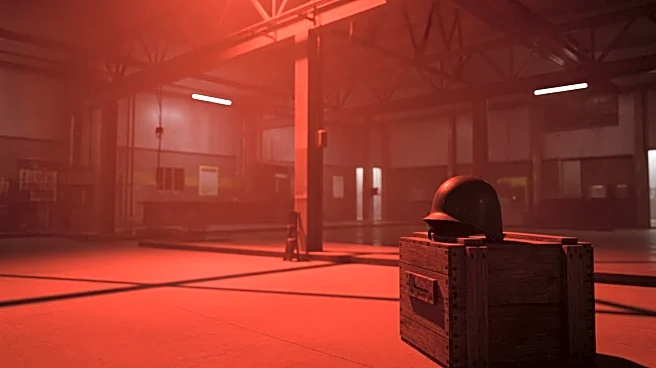
The Red Hangar, a film by Chilean director Juan Pablo Sallato, premiered at the Berlin International Film Festival, exploring the moral complexities faced by military personnel during the 1973 Chilean coup. The film follows Captain Jorge Silva, who is
ordered to convert an Air Force Academy into a detention center amidst the coup led by General Augusto Pinochet. The narrative delves into Silva's internal conflict as he navigates the demands of obedience against his personal ethics. The film, shot in black and white, aims to evoke the historical period while addressing contemporary issues of human rights and moral responsibility.
Why It's Important?
The Red Hangar's exploration of historical events through a modern lens highlights the ongoing relevance of ethical decision-making in times of political upheaval. By focusing on the personal struggles of a military officer, the film prompts audiences to reflect on the nature of authority and individual responsibility. This narrative is particularly pertinent in today's global context, where human rights and ethical governance are increasingly scrutinized. The film's premiere at a major international festival underscores its potential impact on global audiences and its contribution to discussions on historical memory and moral accountability.
Beyond the Headlines
The film's use of black and white cinematography not only situates it within a specific historical context but also serves as a metaphor for the moral ambiguities faced by its characters. This artistic choice enhances the film's emotional resonance and invites viewers to engage with its themes on a deeper level. The Red Hangar's focus on a lesser-known aspect of Chilean history also contributes to a broader understanding of the complexities of military regimes and their lasting impact on society.