



What's Happening?
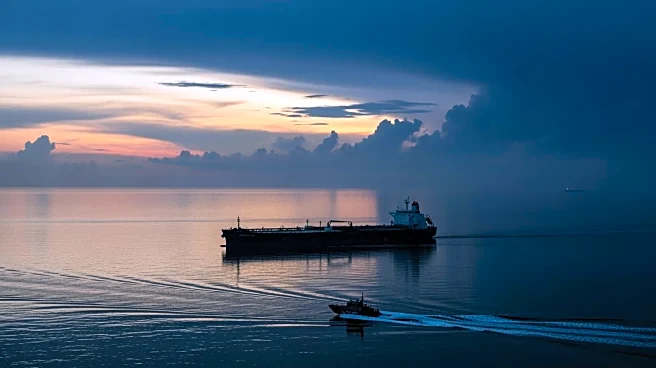
The U.S. Coast Guard has seized an oil tanker suspected of transporting sanctioned oil from Venezuela and Iran. The operation, which officials conducted under anonymity, did not disclose the tanker's name or the exact location of the interdiction. This
action is part of heightened tensions between the U.S. and Venezuela, as President Nicolas Maduro has announced the deployment of military and civilian defenses across the country. The seizure is linked to efforts to curb the flow of funds to terrorist organizations through illicit oil trade.
Why It's Important?
The seizure of the tanker is a critical move in the U.S.'s ongoing efforts to enforce international sanctions and disrupt financial networks that support terrorism. By targeting vessels involved in the illegal oil trade, the U.S. aims to cut off a significant source of funding for groups like Hezbollah and the Iranian Revolutionary Guard Corps. This action also serves as a warning to other countries and entities involved in similar activities, potentially deterring future violations of U.S. sanctions.
What's Next?
Further actions by the U.S. are anticipated as it continues to monitor and intercept vessels involved in the transport of sanctioned oil. The U.S. government is likely to increase surveillance and enforcement measures in the region, potentially leading to more seizures. This could escalate tensions with Venezuela and other countries involved in the sanctioned oil trade, impacting diplomatic relations and regional stability.
Beyond the Headlines
The operation raises questions about the balance between national security and international law. While the U.S. justifies its actions as necessary to combat terrorism, there are concerns about the legality and potential repercussions of such seizures. The situation also highlights the challenges of enforcing sanctions in a globalized economy, where illicit trade networks can operate across borders with relative ease.