
What's Happening?
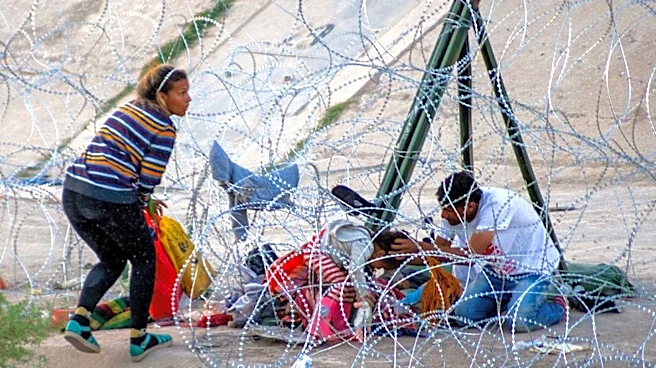
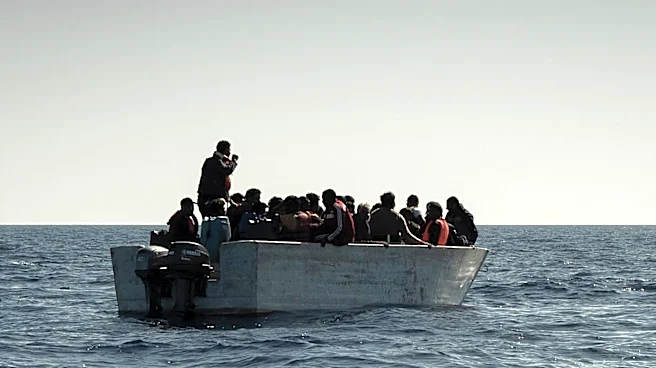
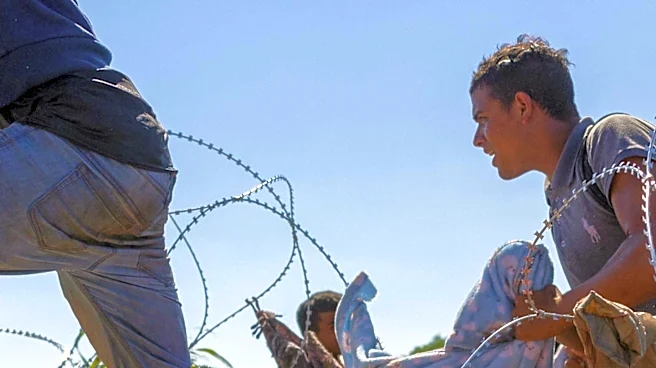
A recent surge of 60,000 to 70,000 migrants from Morocco into the Spanish exclave of Ceuta was largely driven by misinformation spread on social media. The incident, which unfolded in late July, has become
a humanitarian and diplomatic challenge for Spain and the EU. The misinformation falsely suggested that a Spanish Supreme Court ruling allowed migrants entering by sea to remain in Spain, leading many to attempt crossing. The crisis has highlighted the role of social media in influencing migration patterns and the complexities of border security in the region.
Why It's Important?
The misinformation-fueled migrant rush into Ceuta underscores the impact of digital platforms on migration dynamics and border security. It reveals vulnerabilities in managing misinformation and the need for effective communication strategies to prevent similar incidents. The crisis has strained diplomatic relations within the EU, with calls for coordinated action to strengthen external borders. It also raises questions about the effectiveness of existing legal frameworks in addressing migration challenges and the need for comprehensive policy responses.
What's Next?
Spain and the EU may need to enhance their efforts to combat misinformation and improve border security measures. This could involve deploying advanced monitoring systems and strengthening cooperation with neighboring countries like Morocco. The crisis may prompt discussions on revising legal mechanisms related to migration and border control, as well as exploring new strategies for managing digital misinformation. The EU's response to the crisis will be closely watched, as it could influence future migration policies and international relations.