







What's Happening?
Springfield, Massachusetts, public schools have initiated a months-long recovery process following a cyber attack that crashed network servers and computer systems just before Labor Day weekend. The attack forced a four-day cancellation of classes and disrupted
essential services like email, phones, and access to medical and food service records. While some systems have been partially restored, the School Department is now focusing on reimaging thousands of student and staff laptops to ensure a clean reset and strengthened security. Mayor Domenic J. Sarno, chairman of the School Department, stated that the attackers are believed to be a sophisticated global group using artificial intelligence to compromise systems. U.S. Senators Elizabeth Warren, Edward Markey, and U.S. Representative Richard E. Neal are working with Mayor Sarno to seek emergency federal funding to aid the recovery efforts. The total cost of the attack is currently unknown, and some data, including names, birthdates, and addresses, has been stolen and posted on the dark web.
Why It's Important?
This cyber attack on the Springfield school system highlights the increasing vulnerability of critical public infrastructure, including educational institutions, to sophisticated cyber threats. The incident underscores the significant disruption and financial burden that such attacks can impose on local governments and communities. The involvement of federal lawmakers like Senators Warren, Markey, and Representative Neal in seeking emergency funding indicates that cybersecurity for public entities is becoming a national concern, potentially leading to increased federal support and policy changes for cybersecurity preparedness. The theft of student and staff data raises serious privacy concerns and could have long-term implications for those affected, necessitating identity protection services. This event serves as a stark reminder of the need for robust cybersecurity measures and rapid response protocols in public sector organizations across the U.S.
What's Next?
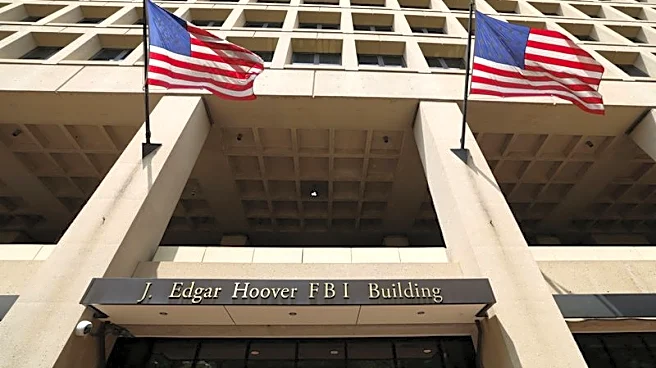
The Springfield School Department will continue its phased approach to restoring technology, prioritizing the reimaging of student and staff laptops. This process is expected to take months due to the sheer volume of devices. The Springfield Education Association is demanding renegotiation of working conditions related to the cyber attack, including a complete system rebuild, Wi-Fi restoration, and a halt to standardized testing and teacher evaluations until systems are fully functional. The FBI, Massachusetts State Police, and local detectives are continuing their investigation into the attack, attempting to determine the full extent of data theft, including whether Social Security numbers were compromised. The city will provide two years of complimentary identity protection services to employees. The ongoing efforts to secure emergency federal funding will be crucial for covering the unknown total cost of the recovery and implementing long-term security upgrades.
Beyond the Headlines
The cyber attack on Springfield schools reveals deeper implications regarding the intersection of technology, education, and national security. The use of artificial intelligence by the attackers suggests an evolving threat landscape where cybercriminals are leveraging advanced tools, making defense more challenging. This incident could accelerate discussions about national cybersecurity standards for educational institutions and the allocation of resources to protect sensitive student data. It also brings to light the ethical dilemma of whether to negotiate with hackers, even if a ransom is demanded, given the uncertainty of data recovery and the principle of not funding criminal enterprises. The long-term impact could include a shift towards more resilient, decentralized IT infrastructures in schools and increased mandatory cybersecurity training for all staff, recognizing that human error can often be an entry point for such attacks.