







What's Happening?
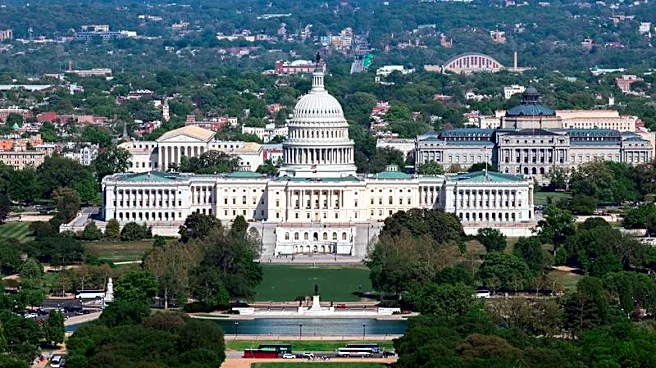
The U.S. House of Representatives has voted to extend the Foreign Intelligence Surveillance Act (FISA) Section 702 for three years, with a vote of 235 to 191. This program allows U.S. intelligence agencies to intercept electronic communications of foreign
nationals outside the U.S. The extension faces a challenging path in the Senate, where privacy concerns have been raised. Lawmakers have long sought reforms to require court approval before accessing Americans' information in the FISA database, but these efforts have not succeeded. The extension includes some modifications, such as requiring federal law enforcement to seek approval from attorneys before reviewing Americans' information.
Why It's Important?
The extension of FISA Section 702 is crucial for U.S. national security, as it aids in preventing foreign attacks. However, the program has been controversial due to concerns about potential violations of Americans' Fourth Amendment rights. The ongoing debate highlights the tension between national security needs and privacy protections. The modifications included in the extension aim to address some privacy concerns, but critics argue they are insufficient. The outcome of this legislative process could influence future surveillance policies and the balance between security and civil liberties in the U.S.
What's Next?
The Senate will now consider the extension, where it may face amendments or rejection. Senate Republicans have expressed opposition to an unrelated provision attached to the bill, which could lead to further negotiations. If the Senate modifies the bill, it will return to the House for approval. Alternatively, a stopgap extension may be passed to allow more time for negotiations. The outcome will determine the future of FISA Section 702 and could set a precedent for how surveillance programs are managed and reformed in the U.S.