
What's Happening?
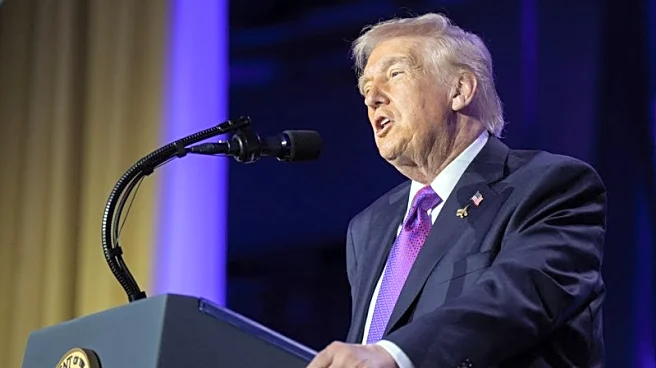
President Trump has appointed four new members to the Commission of Fine Arts, a federal panel tasked with reviewing his plan to construct a new White House ballroom. This move comes as part of a broader
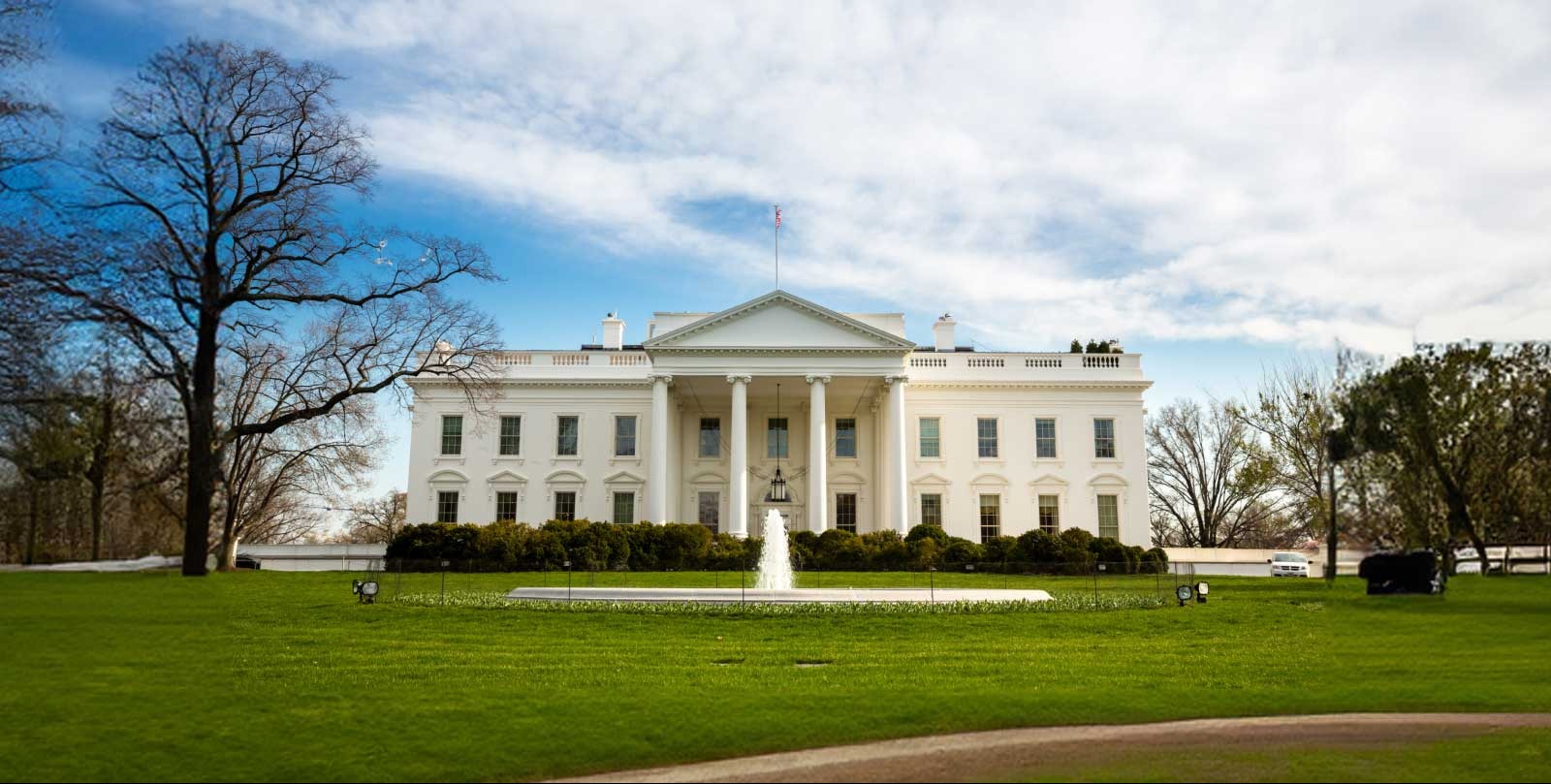
effort to advance the proposed 90,000-square-foot addition, which has been a long-standing ambition of Trump's. The project, estimated to cost $400 million, is intended to be funded through private donations, including contributions from Trump himself. The East Wing of the White House has already been demolished to make way for the ballroom. The appointments were disclosed in court documents related to a lawsuit filed by the National Trust for Historic Preservation, which seeks to halt construction until the project receives necessary approvals. The new members include James McCrery, Mary Anne Carter, Roger Kimball, and Matthew Taylor. The commission is expected to meet on January 22 to discuss the project.
Why It's Important?
The construction of a new White House ballroom represents a significant alteration to the historic site and has sparked legal and public interest. The project has faced opposition from preservationists who argue that it violates federal laws requiring independent reviews. The appointments to the Commission of Fine Arts are crucial as they provide the quorum needed to proceed with the review process. The outcome of this review could set a precedent for how future modifications to national landmarks are handled, potentially impacting preservation policies and the balance between private funding and public oversight in federal projects.
What's Next?
The Commission of Fine Arts is scheduled to formally review the ballroom project on February 19 and March 19. The outcome of these meetings will determine whether the project can proceed. Additionally, the ongoing lawsuit by the National Trust for Historic Preservation could influence the project's timeline and legality. Stakeholders, including preservationists and government officials, will be closely monitoring these developments, as they could have broader implications for federal construction projects and historic preservation efforts.