

What's Happening?
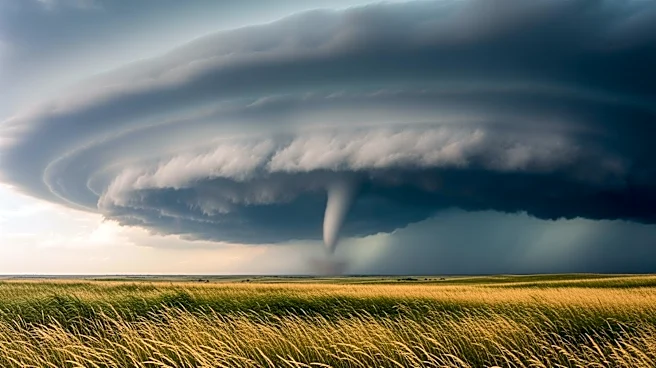
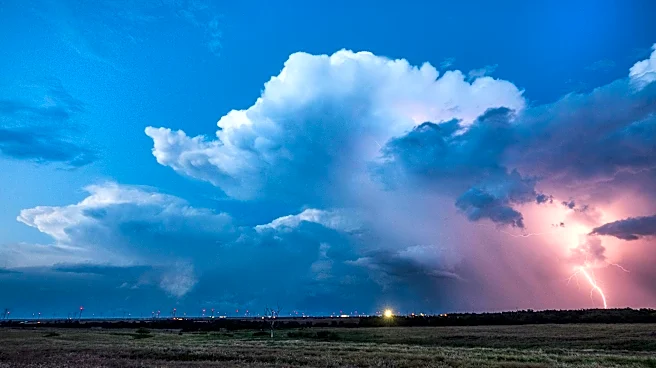
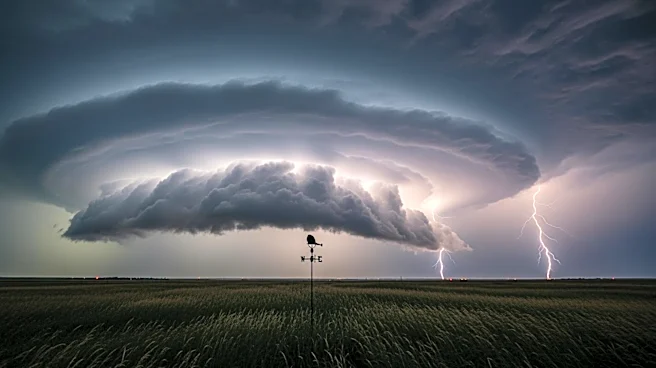
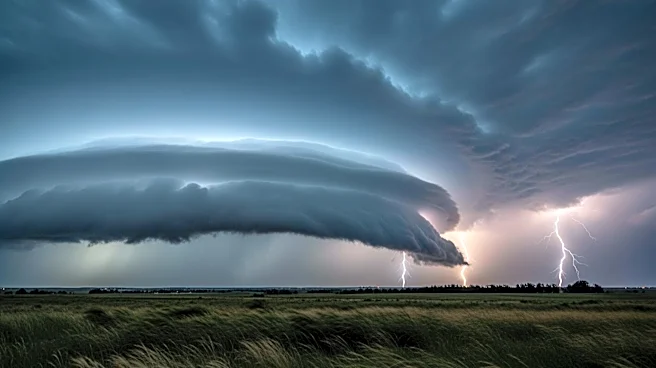
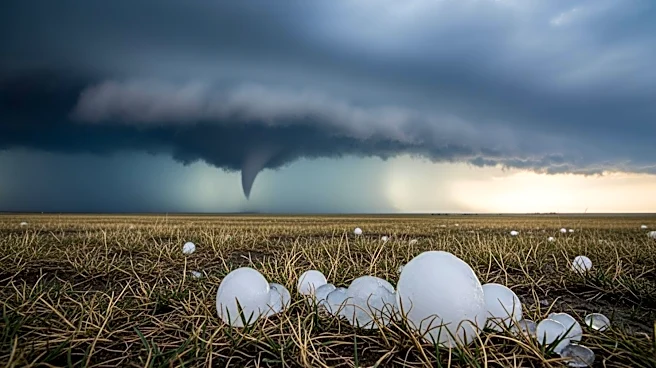
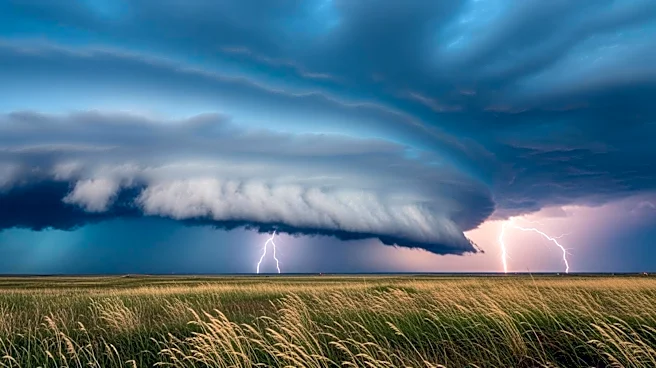
The central and Southern Plains, including parts of Texas, Oklahoma, and Kansas, are facing a significant severe weather threat this weekend. According to forecasts, supercell thunderstorms are expected to develop, bringing the potential for tornadoes,
large hail, and damaging wind gusts. The threat is anticipated to extend from Saturday through Monday, with the possibility of affecting areas as far as western Missouri, western Arkansas, and parts of Nebraska. The severe weather conditions are attributed to a combination of warm, humid air and strong wind shear, which are conducive to the formation of supercells. This development follows a previous week of intense weather activity, which included numerous tornado reports and widespread severe weather incidents across the U.S.
Why It's Important?
The impending severe weather poses significant risks to the affected regions, potentially impacting communities, infrastructure, and local economies. Tornadoes and large hail can cause extensive property damage, disrupt transportation, and pose serious safety threats to residents. The agricultural sector, a critical component of the Plains' economy, may also suffer from crop damage and livestock losses. Emergency services and local governments are likely to be on high alert, preparing for potential disaster response and recovery efforts. The situation underscores the importance of effective weather forecasting and public preparedness in mitigating the impacts of severe weather events.
What's Next?
As the weekend approaches, residents in the affected areas are advised to stay informed about the latest weather updates and heed any warnings issued by local authorities. Emergency management agencies may activate response plans, and community shelters could be prepared to accommodate those seeking refuge from the storms. The severe weather threat is expected to shift towards the Mid-South and possibly the lower Ohio Valley by Monday, necessitating continued vigilance and readiness in these regions. The National Weather Service and other meteorological agencies will likely provide ongoing updates and safety recommendations.