





What's Happening?
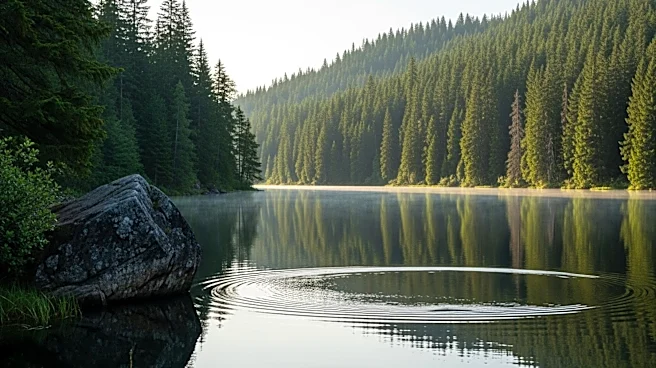
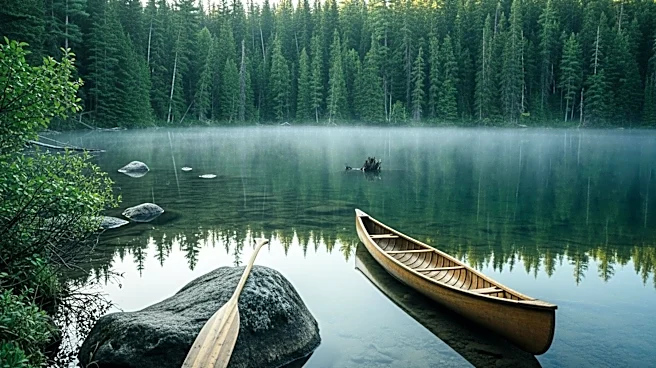
U.S. Senator Martin Heinrich (D-N.M.) has criticized the Senate Republicans' approval of H. J. Res 140, which permits copper-nickel sulfide mining in the Boundary Waters Canoe Area Wilderness. This decision opens millions of acres of pristine wilderness
to potential pollution. Heinrich, a member of the Senate Energy and Natural Resources Committee, argued that the measure prioritizes short-term profits over the long-term preservation of public lands. The resolution allows a Chilean mining company to operate in the area, raising concerns about environmental degradation and the impact on local ecosystems. Heinrich emphasized the importance of public lands to American identity and criticized the use of the Congressional Review Act to bypass environmental protections.
Why It's Important?
The approval of mining in the Boundary Waters represents a significant shift in U.S. environmental policy, prioritizing economic interests over conservation efforts. The decision could set a precedent for future exploitation of protected lands, potentially leading to increased environmental degradation. The move has sparked opposition from environmental groups and local communities who value the area's ecological and recreational significance. The decision also highlights tensions between economic development and environmental stewardship, raising questions about the role of public lands in national identity and policy.
What's Next?
Environmental groups and local stakeholders are expected to challenge the decision through legal and advocacy channels, seeking to protect the Boundary Waters from mining activities. The resolution may face further scrutiny and potential reversal if political dynamics shift in future legislative sessions. The decision could also influence upcoming elections, as environmental policy becomes a key issue for voters. Ongoing debates about the balance between economic development and environmental protection are likely to continue, shaping future policy decisions.
Beyond the Headlines
The decision to allow mining in the Boundary Waters underscores broader debates about the role of public lands in American society. It raises ethical questions about the exploitation of natural resources and the responsibility to preserve ecological heritage for future generations. The situation also reflects the influence of corporate interests in shaping environmental policy, highlighting the need for transparent and accountable decision-making processes. The outcome of this decision could have long-term implications for U.S. environmental policy and the preservation of natural landscapes.