




What's Happening?
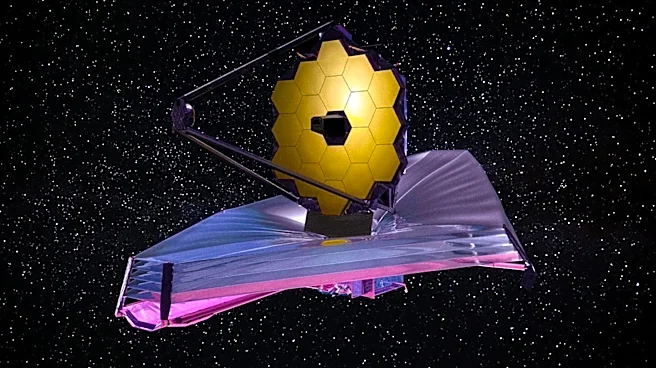
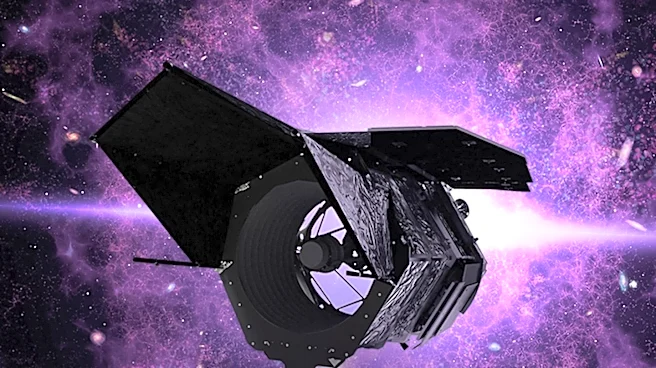
NASA is preparing to launch the Nancy Grace Roman Space Telescope, which will carry a memory card containing 1,350,144 names submitted by people worldwide. This initiative is part of a commemorative effort to engage the public in space exploration. The
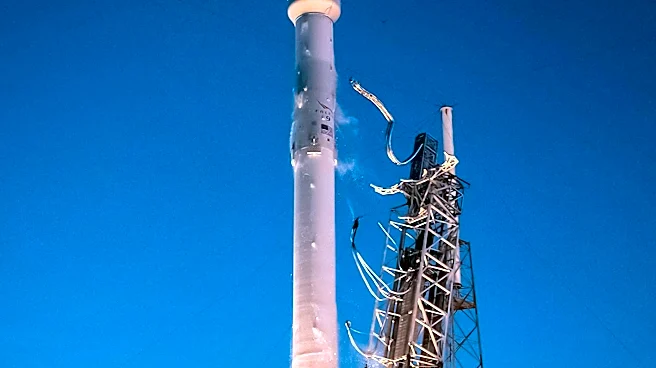
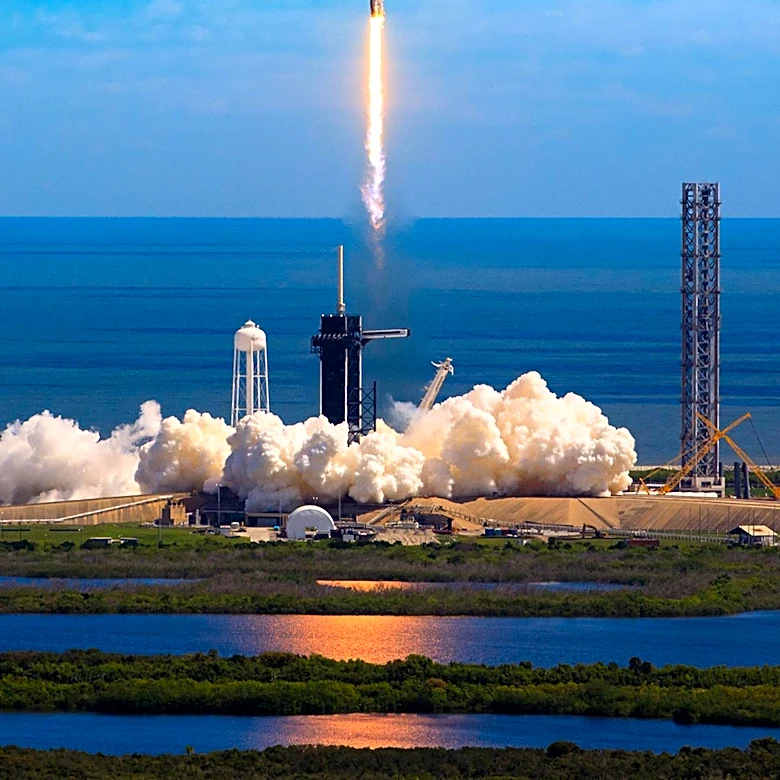
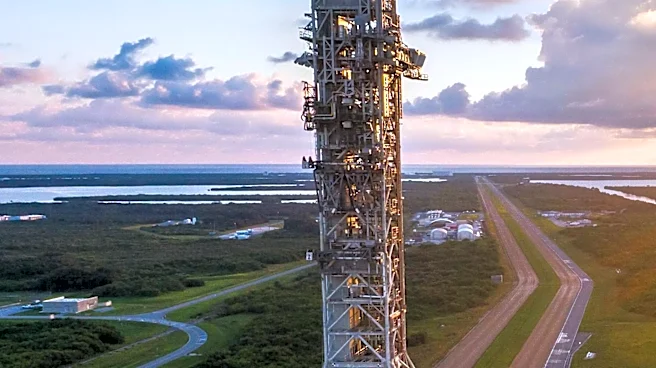
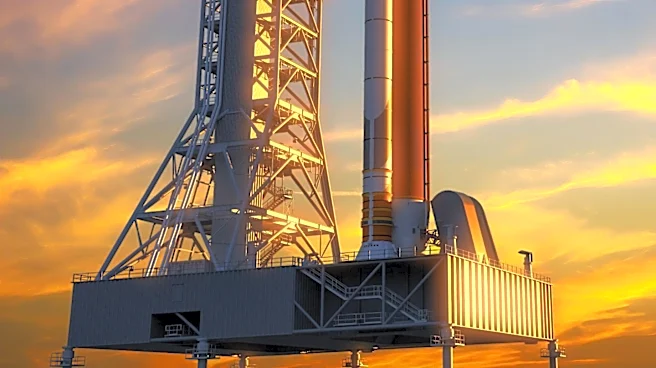
Roman Telescope, named after NASA's first chief astronomer Dr. Nancy Grace Roman, will be launched aboard a SpaceX Falcon Heavy rocket from Kennedy Space Center. The telescope will travel to the Sun-Earth Lagrange point 2, a location where the gravitational forces of the Sun and Earth balance out, allowing for stable observation conditions. This mission aims to continue Dr. Roman's legacy of making astronomical data widely available to the scientific community.
Why It's Important?
The Roman Space Telescope represents a significant advancement in space observation technology, promising to enhance our understanding of the universe. By carrying the names of over a million individuals, NASA fosters public interest and involvement in space exploration, potentially inspiring future generations of scientists and engineers. The mission also underscores the collaboration between NASA and private companies like SpaceX, highlighting the growing role of commercial entities in space missions. The telescope's deployment at Lagrange point 2 will enable it to conduct long-term observations without the interference of Earth's atmosphere, providing clearer and more detailed data for scientific research.
What's Next?
Following its launch, the Roman Space Telescope will begin its journey to Lagrange point 2, where it will conduct various astronomical observations. The data collected will be made available to the global scientific community, contributing to ongoing research in cosmology and astrophysics. The mission's success could pave the way for future collaborations between NASA and commercial partners, potentially leading to more ambitious space exploration projects. Additionally, the public engagement aspect of the mission may lead to increased interest and investment in space science education and outreach programs.