
What's Happening?
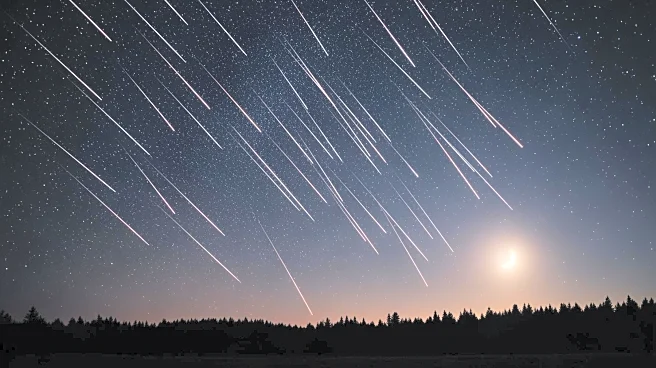
The Geminid meteor shower, one of the most anticipated celestial events of the year, is set to peak overnight on December 14. Skywatchers across the United States will have the opportunity to witness up to 120 meteors per hour under ideal conditions.
The meteors, originating from the asteroid 3200 Phaethon, are known for their brightness and multi-colored streaks due to their complex chemical composition. The radiant point of the shower is located near the star Castor in the constellation Gemini, which will be visible from mid-northern latitudes starting around 9 p.m. local time. The best viewing time is expected to be in the pre-dawn hours of December 14, with meteors remaining visible until December 20.
Why It's Important?
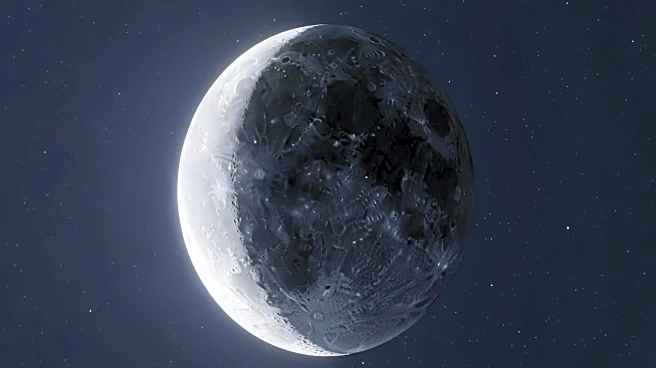
The Geminid meteor shower provides a unique opportunity for both amateur and seasoned astronomers to observe a natural light show without the need for specialized equipment. This event not only captivates the public's imagination but also serves as an educational moment to increase interest in astronomy and space science. The absence of moonlight during the peak viewing times enhances visibility, making this year's display particularly promising. Such celestial events can inspire future generations to pursue careers in science and technology, contributing to advancements in these fields.
What's Next?
As the peak night approaches, skywatchers are advised to find dark locations away from city lights to maximize their viewing experience. Experts recommend allowing 20 to 30 minutes for eyes to adjust to the darkness. The Geminid meteor shower will continue to be visible until December 20, offering multiple opportunities for observation. The event may also prompt discussions and educational programs about meteor showers and their origins, potentially leading to increased public engagement with astronomical phenomena.