


What's Happening?
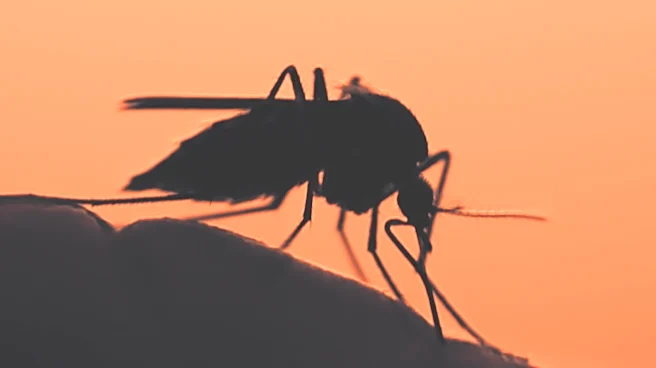
A two-year study conducted along the Menanggul River in Malaysian Borneo by a team led by Ikki Matsuda from Kyoto University investigated the distribution of mosquitoes, particularly Anopheles species known to carry malaria. Researchers placed mosquito traps
at varying distances from the riverbank (0, 250, and 500 meters) and at different heights (near the ground and in the forest canopy). Over 44 nights, nearly 10,000 mosquitoes were collected. The findings, published in *PLOS Neglected Tropical Diseases*, indicate that female Anopheles mosquitoes were most frequently found near the riverbank. Overall mosquito abundance also varied significantly with both distance from the river and trapping height. Molecular analysis of 57 female Anopheles mosquitoes, including 35 identified as *Anopheles balabacensis* (a known monkey malaria vector), detected DNA from monkey malaria parasites in only two specimens. This research originated from an initial question about primate sleeping habits and has expanded into an investigation of wildlife ecology and infectious diseases.
Why It's Important?
This research is crucial for understanding the ecological conditions that facilitate contact between humans, mosquitoes, and wildlife, especially in regions where zoonotic malaria is a concern. In Southeast Asia, monkey malaria parasites can infect humans, making it vital to identify areas of high mosquito presence. The study's finding that Anopheles mosquitoes are more prevalent near riverbanks provides valuable data for public health strategies, potentially guiding where to focus mosquito control efforts or advise human communities, researchers, and tourists to take extra precautions. While the low number of mosquitoes testing positive for malaria DNA might seem reassuring, the researchers caution that it does not necessarily equate to a low risk of infection, nor does detecting DNA confirm transmission capability. This highlights significant gaps in current knowledge regarding malaria transmission dynamics in forest environments, underscoring the need for continued research to develop effective prevention and control measures.
What's Next?
The findings from this study will inform future research on zoonotic diseases, particularly in tropical riverine forests. The team emphasizes the need for further investigation to fully understand malaria transmission in these complex ecosystems. Future studies may focus on identifying specific environmental factors that influence mosquito distribution and density, as well as the actual transmission capabilities of different mosquito species. This research also contributes to a 'One Health' perspective, which integrates wildlife ecology, environmental conditions, and human health. This holistic approach will be critical for developing comprehensive strategies to manage and prevent the spread of vector-borne diseases. Continued monitoring of mosquito populations and parasite prevalence will be essential to assess and mitigate potential risks to human populations in these biodiverse regions.
Beyond the Headlines
The study's origins, stemming from an observation about primate sleeping sites, underscore the interconnectedness of ecological research and public health. What began as a question about animal behavior evolved into a significant contribution to understanding disease vectors. This highlights the value of interdisciplinary research and how seemingly unrelated ecological observations can yield critical insights into human health challenges. The caution against interpreting low positive rates as low risk also points to the complexities of disease ecology; the absence of evidence is not evidence of absence, especially in dynamic biological systems. This research implicitly calls for a more nuanced understanding of disease transmission, moving beyond simple detection rates to consider the broader ecological context, vector competence, and human-wildlife interactions. It also emphasizes the ethical responsibility of researchers and tourists in these environments to be aware of potential health risks and contribute to conservation efforts that maintain ecological balance.