
What's Happening?
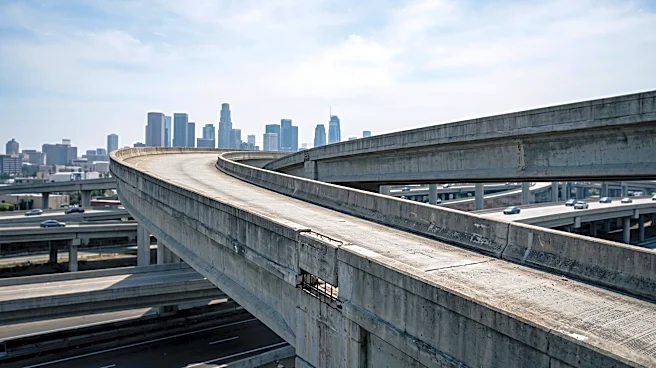
Construction efforts are ongoing for the Interstate 29/85th Street interchange and Tallgrass Avenue in Sioux Falls, South Dakota. At the I-29/85th Street interchange, the concrete work on the new bridge
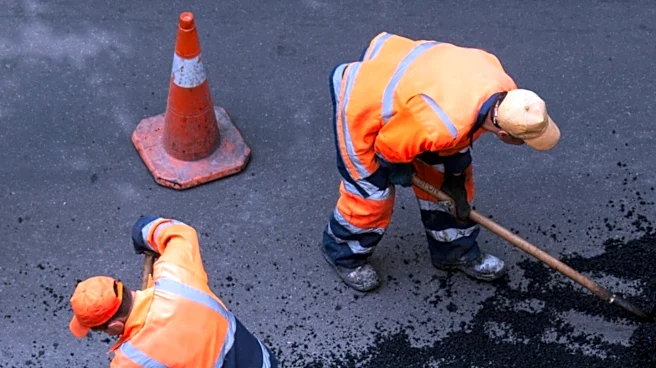
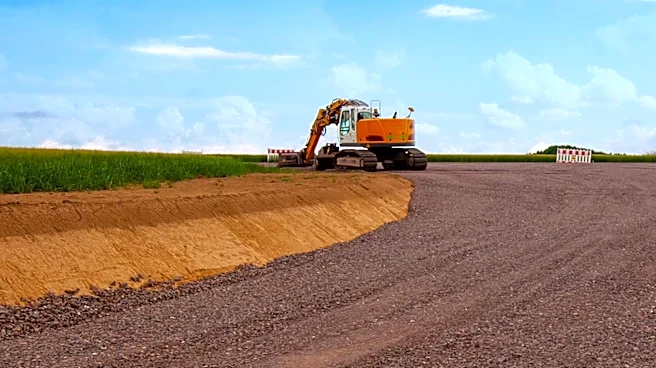
deck for the southbound off-ramp has been completed, with crews now focusing on approach slabs and tie-ins. The northbound off-ramp has been paved, and grading and storm drainage work are also in progress. This year's work is expected to continue as long as weather permits. The new bridge for 85th Street over I-29 is scheduled for construction in 2027, alongside the remaining paving work, with the interchange anticipated to open to traffic in late 2027. Concurrently, on Tallgrass Avenue between 85th Street and Lincoln County Highway 106, water main installation is nearing completion. Xcel Energy has finished its electrical line relocation, and subgrade stabilization with cement powder is ongoing. After these tasks, gravel surfacing will be added for the winter, with this year's work expected to conclude by late November. A separate project in 2027 will pave this segment of Tallgrass Avenue. Additionally, Six Mile Road between 10th Street and Oak Grove Trail was closed for utility work and repaving, with completion expected today.
Why It's Important?
These ongoing road construction projects are crucial for improving infrastructure and traffic flow in the Sioux Falls area, directly impacting local commuters and regional transportation. The I-29/85th Street interchange is a significant development aimed at enhancing connectivity and reducing congestion on a major interstate, which is vital for both commercial and personal travel. The improvements on Tallgrass Avenue will support the growing residential and commercial areas, ensuring better access and utility services. While these projects cause temporary disruptions, their long-term benefits include increased safety, improved travel times, and enhanced capacity for future growth. The completion of these projects will facilitate economic activity by making transportation more efficient for businesses and residents alike, contributing to the overall development and accessibility of the region.
What's Next?
Construction on the Interstate 29/85th Street interchange will continue as weather allows this year, with the new bridge for 85th Street over I-29 and remaining paving work scheduled for 2027. The interchange is projected to open to traffic in late 2027. For Tallgrass Avenue, water main installation and subgrade stabilization are expected to be completed this week, followed by gravel surfacing for the winter, with this year's work concluding by late November. A separate paving project for Tallgrass Avenue is planned for 2027. Additionally, new road closures are scheduled: both westbound lanes of 49th Street between Oxbow Avenue and Arway Drive will close for utility repairs, with traffic shifted to the center turn lane for approximately three days. Starting Tuesday, the northbound off-ramp from I-29 to 26th Street/Louise Avenue will close for pavement repairs, with alternate routes via 41st Street or 12th Street exits, expected to be completed by the end of the week.
Beyond the Headlines
The extensive road construction efforts in Sioux Falls, including the I-29/85th Street interchange and Tallgrass Avenue projects, reflect a broader trend of infrastructure investment across the U.S. These projects are not merely about improving roads but are integral to urban planning and regional development strategies. The long-term nature of these constructions, spanning several years, highlights the complexity and significant financial commitment required for modernizing transportation networks. The coordination between various utility companies, such as Xcel Energy, and local government entities underscores the collaborative effort needed to execute such large-scale public works. While the immediate impact involves traffic detours and temporary inconveniences, the strategic goal is to create a more resilient and efficient infrastructure that can support population growth and economic expansion, ultimately shaping the future livability and connectivity of the region.