






What's Happening?
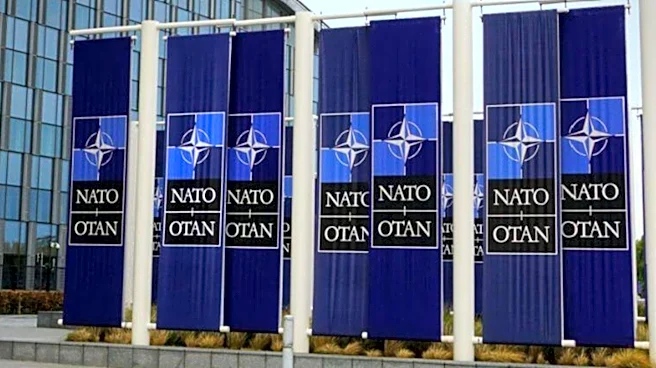
NATO is increasingly focusing on defense innovation that moves beyond traditional contractors to address rapid technological changes in conflict zones. This shift is driven by the need for agility and responsiveness to emerging threats, as highlighted
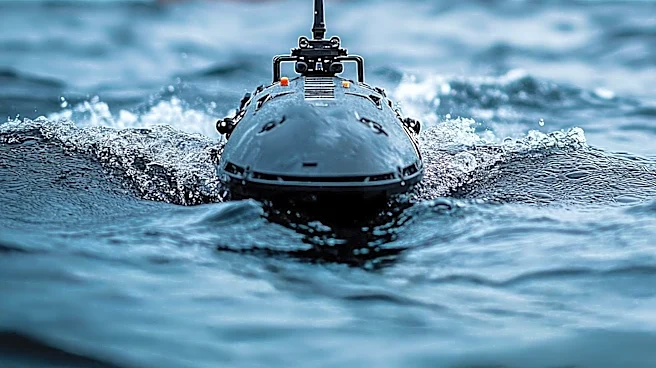
by reports from the Stockholm International Peace Research Institute (SIPRI) on rising global military expenditure amid growing geopolitical tensions. The traditional defense acquisition models are being challenged by the speed of technological adaptation in conflict zones, where adversaries quickly modify and deploy emerging technologies. This has created a structural tension within the defense sector, as existing frameworks designed for scale and reliability often lack the agility required to respond to new threats such as drone swarms and decentralized command structures.
Why It's Important?
The shift in defense innovation is significant as it reflects a broader trend towards integrating smaller, venture-backed firms that can iterate quickly and deploy solutions in compressed timelines. This is crucial in modern conflict scenarios where the advantage goes to those who can evolve fastest. The traditional defense systems, optimized for delivering complex programs over long horizons, may not be able to keep pace with the rapid technological advancements and the changing nature of warfare. This evolution in defense strategy could potentially reshape the defense industry, impacting how governments and military organizations procure and deploy new technologies.
What's Next?
As governments in North America and Europe expand initiatives to integrate startups into defense ecosystems, there is a persistent funding gap that needs to be addressed. Early-stage companies often secure research and development support but face challenges transitioning to full procurement contracts. This creates a bottleneck between promising prototypes and scalable deployment. Addressing this gap will be crucial for the successful integration of innovative technologies into defense strategies. The ongoing adaptation of procurement models and funding pathways will determine how effectively these new approaches can be implemented.
Beyond the Headlines
The shift towards smaller, agile firms in defense innovation highlights a cultural and structural change within the defense sector. It underscores the need for a balance between stability and experimentation, as well as the importance of aligning institutional frameworks with the speed of modern conflict. This evolution also raises ethical and strategic questions about the role of technology in warfare and the responsibilities of those developing these technologies. As the defense sector continues to evolve, the focus on operator-centric targeting and precision reflects a wider trend towards efficiency and asymmetric advantage.