


What's Happening?
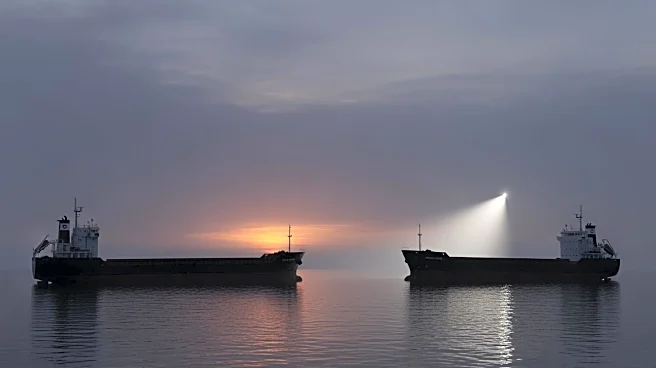
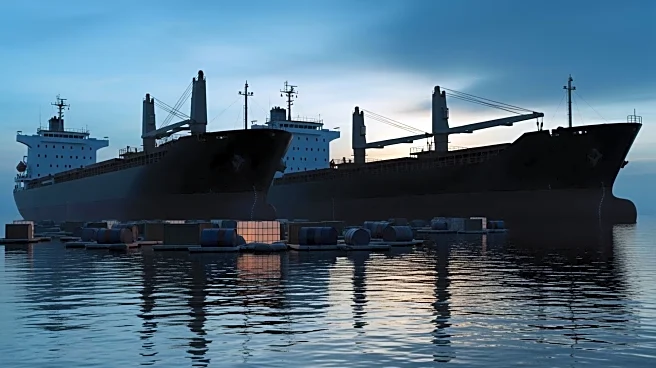
Iranian officials announced on February 5 that the Islamic Revolutionary Guard Corps (IRGC) seized two vessels accused of fuel smuggling near Farsi Island in the Persian Gulf. The vessels were reportedly carrying over one million liters of smuggled fuel,
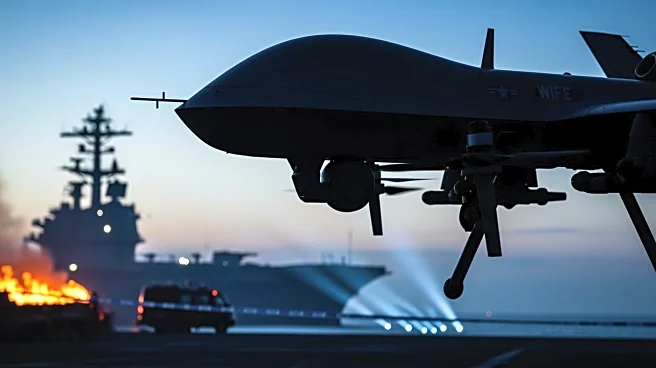
primarily diesel, and 15 foreign crewmembers were detained. This action is part of Iran's ongoing efforts to combat fuel smuggling, which has been a persistent issue due to the significant price differences in the region. The IRGC claims the vessels were part of a coordinated smuggling network. This incident coincides with heightened regional tensions, including recent interactions between Iranian forces and U.S. military assets in the area.
Why It's Important?
The seizure of these vessels underscores the ongoing geopolitical tensions in the Persian Gulf, a critical region for global energy supplies. Iran's actions highlight its capacity to enforce maritime control and disrupt smuggling operations, which can have broader implications for regional security and international shipping routes. The incident also reflects the economic pressures within Iran, where fuel subsidies and price controls create incentives for smuggling. The timing of the seizures, amid nuclear talks with the United States and other regional diplomatic activities, suggests a complex interplay of domestic policy enforcement and international diplomacy.
What's Next?
The detained crewmembers are expected to face judicial proceedings in Iran, which has historically imposed severe penalties for smuggling. The international community, particularly countries with detained nationals, may seek diplomatic engagement to secure their release. Additionally, the incident may influence ongoing nuclear negotiations and regional diplomatic efforts, as Iran demonstrates its willingness to assert control over its maritime borders. The situation could lead to increased maritime security measures by other nations operating in the Gulf.
Beyond the Headlines
This development highlights the broader issue of economic disparity in the region, where fuel prices can vary significantly, driving illegal trade. It also raises questions about the effectiveness of international maritime law enforcement and the potential for conflict in contested waters. The incident may prompt discussions on regional cooperation to address smuggling and enhance maritime security.