



What's Happening?
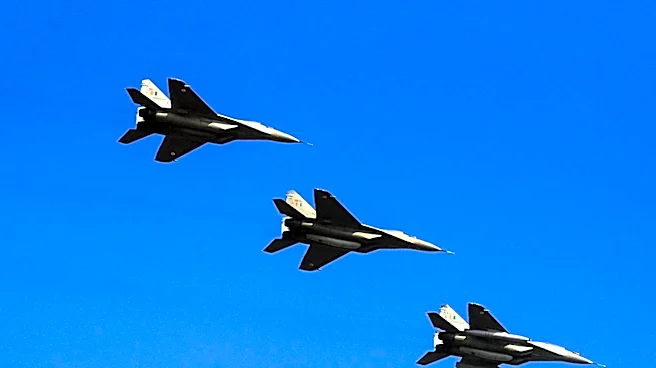
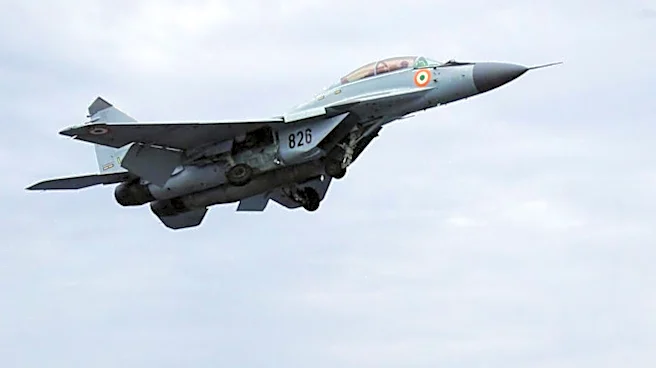
Poland and Ukraine are progressing with negotiations for a defense cooperation agreement that involves Poland transferring MiG-29 fighter jets to Ukraine in exchange for Ukrainian drone and counter-drone technology. On November 10, both nations signed
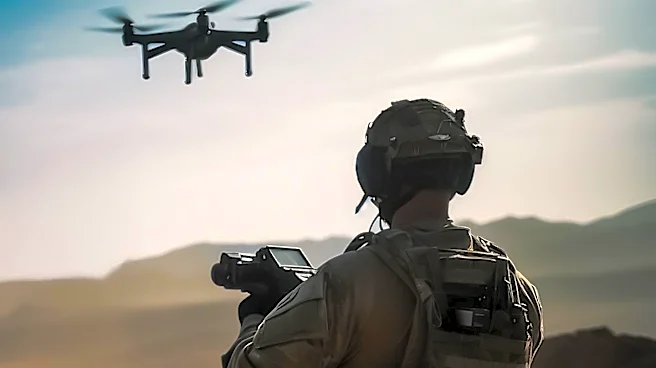
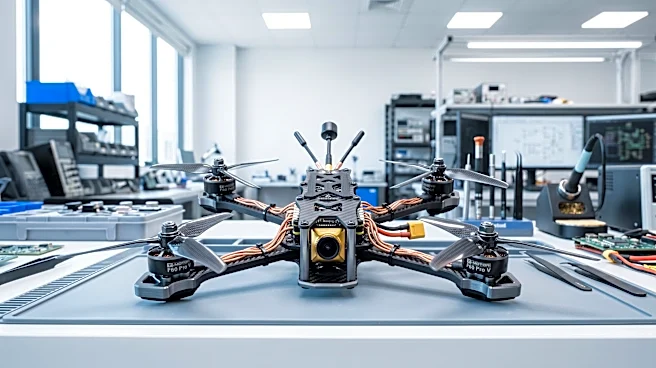
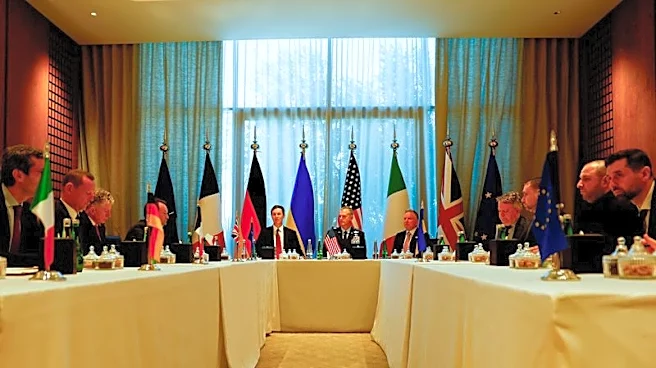
an agreement to establish joint working groups focused on these unmanned systems. This development follows discussions between Polish Deputy Defense Minister Cezary Tomczyk and Ukraine's Deputy Defense Minister Sergiy Boyev in Kyiv. While the working group agreement is finalized, the specific details of the aircraft transfer, including the delivery schedule and the technical scope of the exchange, are still under negotiation. Ukrainian media reports suggest the transfer involves two MiG-29 aircraft. This initiative marks a shift from previous military aid, explicitly linking aircraft delivery to technology access, leveraging Ukraine's extensive operational experience in drone warfare since the 2022 invasion.
Why It's Important?
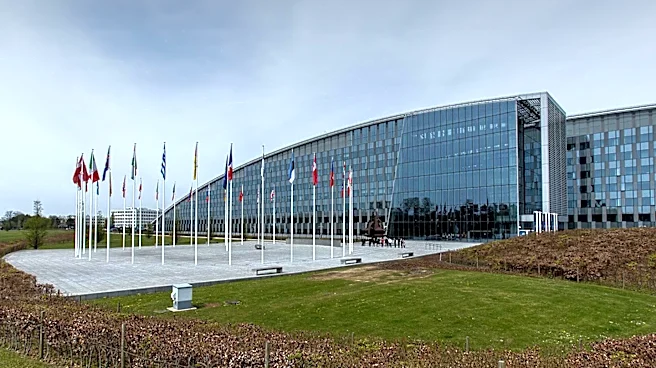
This agreement is significant for both Poland and Ukraine, as it strengthens their defense industrial cooperation and addresses evolving security needs. For Poland, access to Ukraine's battlefield-tested drone and counter-drone technologies is crucial for enhancing its protection against low-cost aerial threats, particularly along NATO's eastern flank. Poland has already committed approximately €5.9 billion for drone capabilities by 2026, and this bilateral agreement could integrate advanced, operationally proven systems into its defense modernization efforts. For Ukraine, securing additional MiG-29 fighter aircraft remains valuable for sustaining its combat aviation capabilities, even as unmanned systems play an increasingly prominent role in modern warfare. This exchange also highlights Ukraine's growing role as a provider of defense innovation, transforming its operational experience into a strategic asset in international partnerships.
What's Next?
The immediate next steps involve finalizing the terms of the MiG-29 aircraft transfer and identifying the specific drone and counter-drone technologies Poland will receive. The newly established joint working groups will likely serve as the formal mechanism for cooperation between Polish and Ukrainian specialists, though no specific manufacturers or joint development contracts have been announced yet. Further discussions will determine the technical scope and implementation timeline of the technology exchange. This collaboration could lead to future opportunities in drone production, interceptor development, electronic warfare, and the integration of detection technologies for both countries. The success of this initial exchange could also pave the way for broader defense-industrial partnerships between Poland and Ukraine.
Beyond the Headlines
This deal underscores a broader trend in modern warfare where operational experience and technological adaptation, particularly in unmanned systems, are becoming critical currencies in international defense partnerships. Ukraine's ability to innovate rapidly under combat conditions has positioned it as a valuable partner for nations seeking to bolster their defenses against contemporary threats. For Poland, integrating these technologies could not only enhance its national security but also foster growth in its domestic UAV industry. The arrangement also reflects a strategic realignment within NATO's eastern flank, where countries are increasingly looking to regional partners for specialized defense solutions. This could set a precedent for other nations to engage in similar technology-for-hardware exchanges, reshaping traditional military aid models.