


What's Happening?
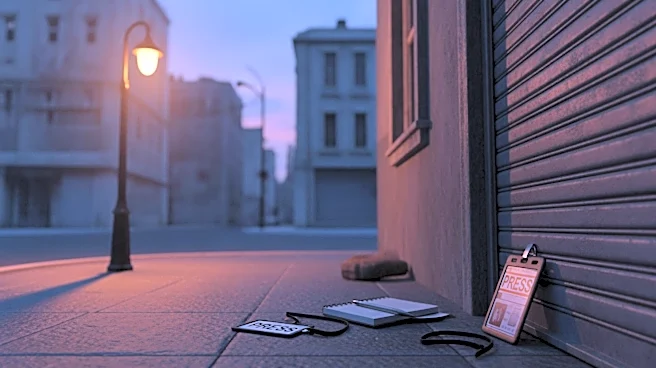
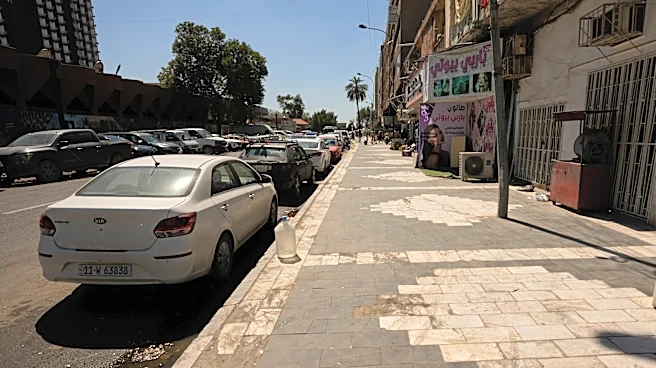
Shelly Kittleson, an American journalist, was kidnapped in Baghdad, prompting a response from U.S. and Iraqi authorities. Kittleson, known for her extensive reporting in the Middle East, was abducted by unknown individuals. The Iraqi Interior Ministry
has arrested a suspect and seized a vehicle used in the crime. The U.S. State Department is coordinating with the FBI and other agencies to secure her release. Media organizations and press freedom advocates have called for her immediate and safe return.
Why It's Important?
The kidnapping of Kittleson highlights the dangers faced by journalists in conflict zones and the ongoing threats from militia groups like Kataib Hezbollah. This incident raises concerns about the safety of American citizens abroad and the effectiveness of government warnings. It also underscores the geopolitical tensions involving Iran-backed militias and their impact on U.S. interests in the region. The abduction could influence U.S. foreign policy and security measures for journalists, potentially leading to increased diplomatic efforts to address such threats.
What's Next?
Efforts to secure Kittleson's release are ongoing, with Iraqi authorities and U.S. agencies coordinating closely. The arrest of a suspect linked to Kataib Hezbollah suggests potential diplomatic and security responses from both the U.S. and Iraq. The incident may prompt a reevaluation of travel advisories and security measures for journalists working in volatile areas. The international community, including media freedom organizations, is likely to increase pressure on Iraqi authorities to ensure the safe return of Kittleson and to address the broader issue of journalist safety.