

What's Happening?
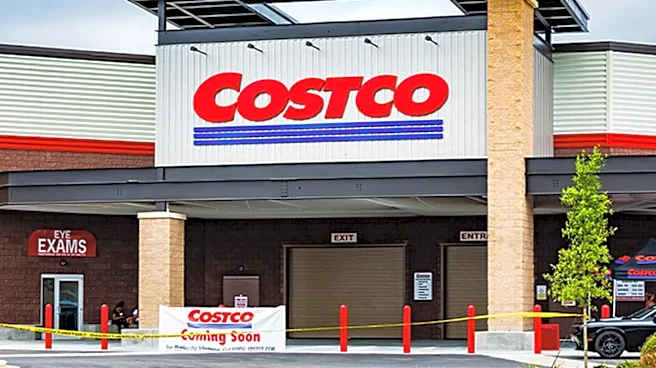
Adaptive reuse is emerging as a key trend in U.S. urban development, driven by office vacancies, housing shortages, and the demand for walkable neighborhoods. Developers and municipalities are increasingly repurposing existing buildings for new uses,
such as converting offices into residential spaces. This approach addresses multiple challenges, including reducing construction waste and supporting local economies. The trend is particularly evident in major metropolitan areas where housing demand intersects with vacant office inventory. Adaptive reuse projects are seen as a practical solution to land scarcity and rising costs, offering a sustainable path for urban growth.
Why It's Important?
The rise of adaptive reuse reflects a shift in urban development strategies, emphasizing sustainability and efficient land use. By repurposing existing structures, cities can meet housing needs while preserving historical and architectural heritage. This approach also supports economic development by revitalizing underutilized areas and creating vibrant, walkable communities. As land prices continue to rise, adaptive reuse offers a cost-effective alternative to new construction, potentially influencing future urban planning and policy decisions. The trend aligns with broader demographic shifts towards urban living and the desire for connected, accessible neighborhoods.
Beyond the Headlines
Adaptive reuse projects often involve complex challenges, including navigating preservation requirements and financing structures. Successful projects require collaboration among developers, architects, and preservation experts to balance historical integrity with modern functionality. The trend also highlights the potential for public-private partnerships in urban redevelopment, leveraging government-owned land and resources. As cities continue to evolve, adaptive reuse could play a crucial role in shaping sustainable and resilient urban environments, offering lessons for other regions facing similar challenges.