






What's Happening?
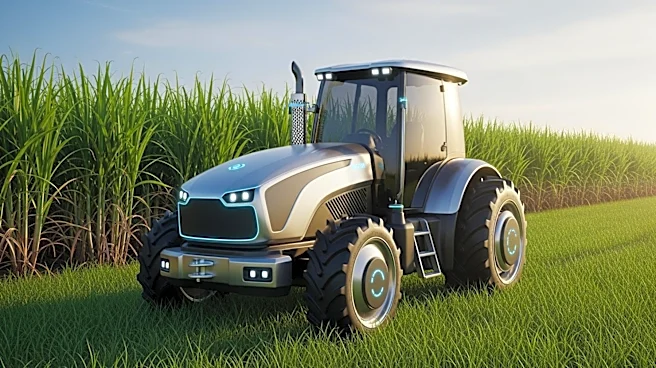
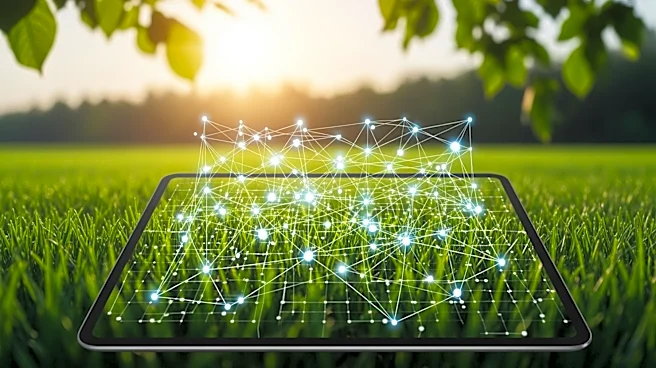
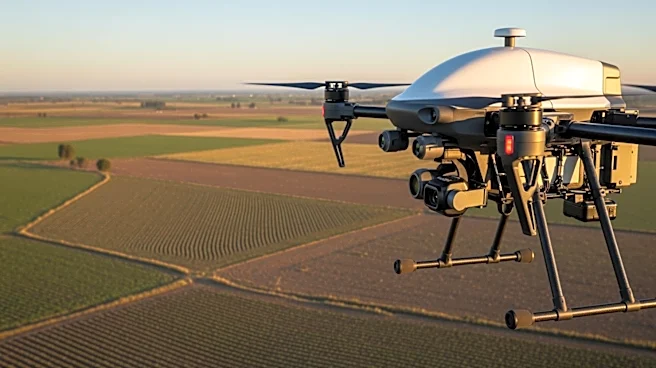
Precision agriculture, a data-driven farm management approach, utilizes technologies like GPS, sensors, drones, and AI to optimize farming practices. These tools help farmers manage variability within fields, improve resource efficiency, and enhance productivity.
However, the high costs and infrastructure demands of precision agriculture technologies pose significant barriers to adoption, particularly for small-scale and lower-income farmers. While larger, capital-intensive operations are more likely to adopt these technologies, smallholder farms, which make up about 85% of farms globally, often lack access. This disparity may exacerbate existing racial and economic inequities in agriculture.
Why It's Important?
The limited accessibility of precision agriculture technologies highlights a growing divide in the agricultural sector. As larger farms benefit from increased efficiency and productivity, smaller farms risk falling behind, potentially leading to further consolidation in the industry. This trend could concentrate power among major agribusiness and technology firms, influencing the future of farming and food production. The environmental impact of precision agriculture is also under scrutiny, with questions about its sustainability and potential to reduce inputs and emissions. Addressing these challenges is crucial for ensuring equitable access to technological advancements and promoting sustainable agricultural practices.
Beyond the Headlines
The adoption of precision agriculture raises ethical and governance questions about the concentration of power in the agricultural sector. As technology firms and agribusinesses expand their influence, there is a need for public oversight and policies that prioritize equitable access and sustainability. The focus on technological solutions should not overshadow the importance of regenerative practices that support rural economies and environmental health. Balancing innovation with social and environmental responsibility will be key to shaping a sustainable future for agriculture.