








What's Happening?
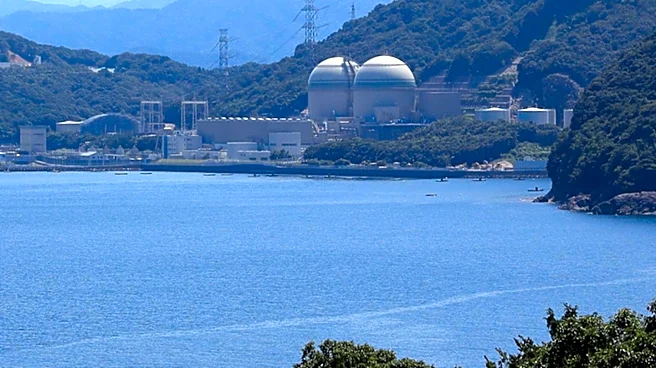
Uzbekistan is progressing with its nuclear power plant (NPP) project, aiming to commission its first small modular reactor by 2029 and a large reactor by 2033. The project, in collaboration with Russia's Rosatom, is expected to be completed by 2034-2035,
producing up to 17 billion kWh annually. This initiative marks a significant step in Uzbekistan's energy strategy, as the country seeks to diversify its energy sources and reduce reliance on fossil fuels. The project is estimated to cost up to $9.5 billion, with Uzbekistan planning to finance it through external loans. Despite geopolitical tensions, Uzbekistan is exploring diverse funding sources to avoid over-reliance on Russian financing.
Why It's Important?
The development of a nuclear power plant in Uzbekistan represents a strategic move to enhance energy security and meet growing domestic energy demands. It reflects a broader trend in Central Asia towards diversifying energy sources and reducing carbon emissions. The project's reliance on external financing highlights the challenges faced by developing countries in funding large-scale infrastructure projects. Additionally, the involvement of international partners and adherence to International Atomic Energy Agency (IAEA) standards underscore the importance of global cooperation in nuclear energy development. The project could also influence regional energy dynamics, potentially positioning Uzbekistan as an energy exporter.
What's Next?
Uzbekistan will continue to seek international partners and financing to support the NPP project. The government may engage in further negotiations with potential investors, including those from China and multilateral financial institutions. As construction progresses, Uzbekistan will need to address regulatory and safety concerns, ensuring compliance with international standards. The project may also prompt discussions on regional energy cooperation and the role of nuclear energy in Central Asia's energy transition.