










What's Happening?
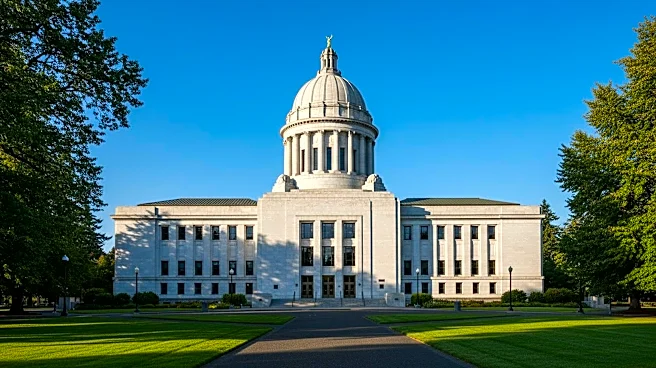
Oregon lawmakers are prioritizing bipartisanship in their approach to the 2027 transportation funding plan. This initiative comes as the state faces a significant funding shortfall in its Department of Transportation. A mostly Democratic group of lawmakers,
along with Republican Bruce Starr, are working with Governor Tina Kotek's 'Rebuilding Our Transportation Vision' workgroup to develop a sustainable funding strategy. The workgroup, in its third meeting, invited lawmakers to discuss past legislative mistakes and propose bipartisan solutions. The discussions highlighted the need to move away from reliance on the gas tax, which has become less effective due to the rise of electric vehicles and increased costs of transportation materials. Lawmakers are considering alternatives such as indexing the gas tax to inflation, taxing new vehicle sales, and implementing road user charges based on mileage.
Why It's Important?
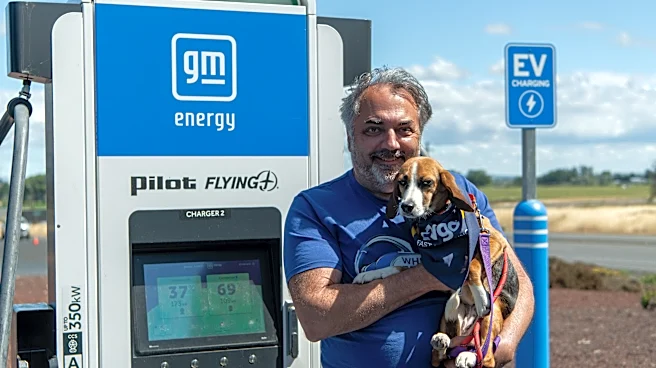
The transportation funding plan is crucial for maintaining Oregon's infrastructure and ensuring the state's economic stability. The current funding model, heavily reliant on gas taxes, is unsustainable as more residents switch to electric vehicles. This shift has resulted in decreased revenue, impacting the state's ability to maintain roads and transportation services. A bipartisan approach is essential to create a comprehensive and widely supported funding strategy. The outcome of these discussions could set a precedent for other states facing similar challenges, highlighting the importance of collaboration across party lines to address complex public policy issues.
What's Next?
Lawmakers aim to introduce the new transportation funding legislation early in the 2027 legislative session to allow ample time for deliberation and refinement. The workgroup and lawmakers are also considering restructuring the Department of Transportation to better manage its responsibilities and resources. This could involve creating separate agencies for different transportation sectors, such as rail and transit. Additionally, the state may explore contracting with outside vendors to address privacy concerns related to tracking vehicle mileage for road user charges. The success of these initiatives will depend on continued bipartisan cooperation and public support.