








What's Happening?
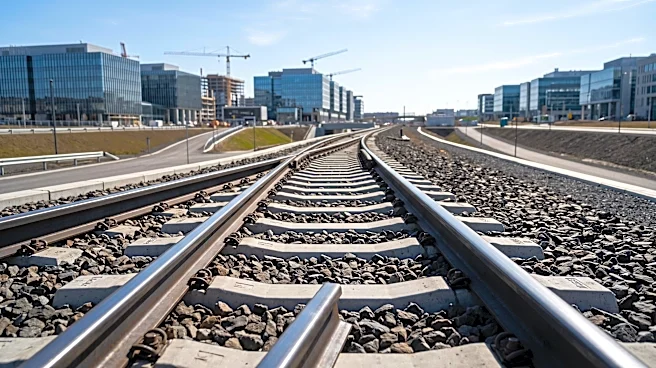
Trinity Metro has broken ground on a 2.1-mile TEXRail extension in Fort Worth, TX, which will bring regional commuter rail service to the Medical District and Near Southside. This $270 million project is funded through federal, regional, and local sources,
with Baylor Scott & White Health donating land for the new station site. The extension aims to connect more people to jobs, healthcare, education, and local businesses. Paul P. Skoutelas, President and CEO of the American Public Transportation Association (APTA), emphasized the broader economic benefits of public transportation, noting it is a $102 billion annual industry in the U.S., employing over 450,000 workers and supporting millions of other jobs through 3,000 suppliers across all 50 states. Rich Andreski, President and CEO of Trinity Metro, stated that this investment is crucial for Fort Worth's growth and future.
Why It's Important?
This TEXRail extension is a prime example of how public-private partnerships can drive significant infrastructure development and economic growth. By connecting key areas like the Medical District, it enhances accessibility to essential services and employment opportunities, directly benefiting residents and businesses. The project's funding structure, involving multiple levels of government and private sector contributions, demonstrates a collaborative approach to addressing urban development needs. Furthermore, the broader economic impact highlighted by APTA underscores public transportation's role not just in mobility, but as a major economic engine, supporting a vast network of industries and jobs across the nation. This investment in Fort Worth is expected to shape the city's experience for future generations, improving quality of life and fostering continued economic vitality.
What's Next?
The construction of the 2.1-mile TEXRail extension will proceed, with the goal of establishing commuter rail service to the Medical District and Near Southside in Fort Worth. This will involve significant engineering and construction efforts to lay tracks, build a new station, and integrate the extension into the existing TEXRail network. Once operational, the service is expected to alleviate traffic congestion, reduce commuting times, and provide a sustainable transportation option for thousands of daily commuters. The success of this project could serve as a model for other cities looking to expand their public transportation infrastructure through similar public-private collaborations. Continued monitoring of ridership, economic impact, and community feedback will be essential to evaluate the long-term benefits of this extension.
Beyond the Headlines
The TEXRail extension project reflects a growing national recognition of public transportation as a critical component of urban resilience and economic competitiveness. Beyond its immediate benefits, such infrastructure investments contribute to reduced carbon emissions, improved air quality, and enhanced public health by promoting active transportation and reducing reliance on private vehicles. The involvement of a healthcare provider like Baylor Scott & White Health in donating land highlights a broader understanding that accessible transportation is integral to healthcare access and community well-being. This project also showcases the intricate web of industries, from manufacturing to technology, that support the public transportation sector, making it a significant contributor to the national supply chain and innovation ecosystem. The long-term implications extend to urban planning, social equity, and environmental sustainability, positioning public transit as a multifaceted solution to complex societal challenges.