

What's Happening?
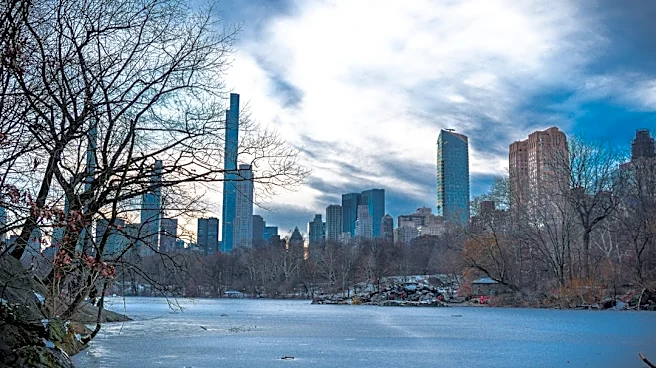
New York State is projected to experience a warmer and drier-than-normal fall season, according to recent forecasts from the National Weather Service and AccuWeather. The seasonal outlook for September, October, and November indicates a leaning towards
above-normal temperatures across the state. AccuWeather meteorologists specifically predict an unusually warm start to fall in New York, with September potentially feeling like an extension of summer, characterized by above-average temperatures, high humidity, and warm nights. The National Weather Service's outlook also favors below-normal precipitation across much of New York and the Northeast. While two longtime weather almanacs have also released their predictions, the Farmers' Almanac aligns with the major services, forecasting widespread warmth in September followed by cooler, wetter conditions. However, The Old Farmer's Almanac offers a differing view, predicting drier but cooler weather for western and central New York and the New York City area, with eastern New York, including the Adirondacks and upper Hudson Valley, expected to be wetter and cooler. Meteorological fall commenced on September 1st, with the autumnal equinox scheduled for September 22nd.
Why It's Important?
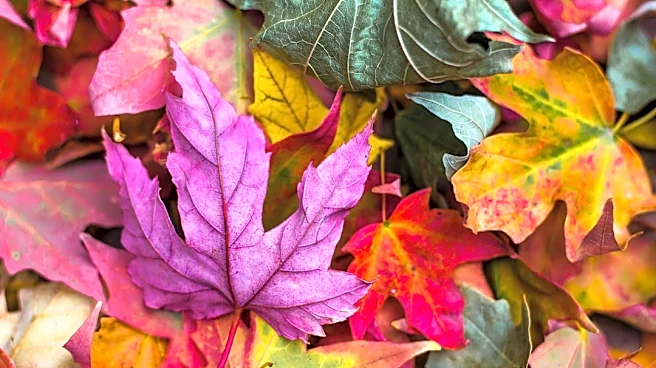
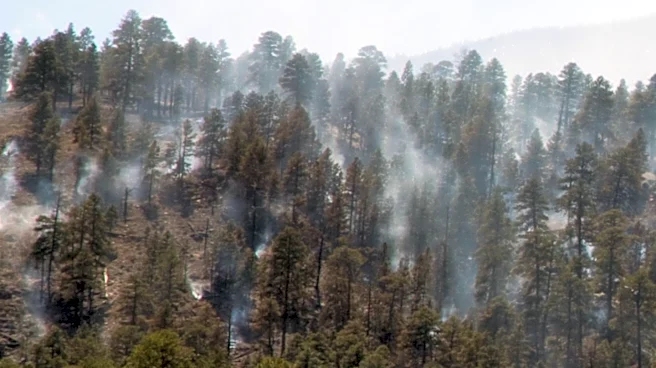
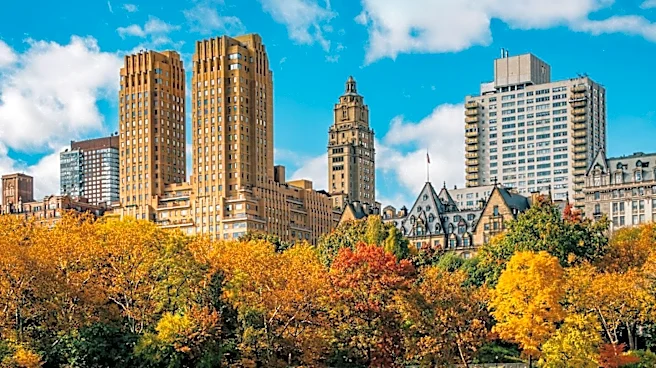
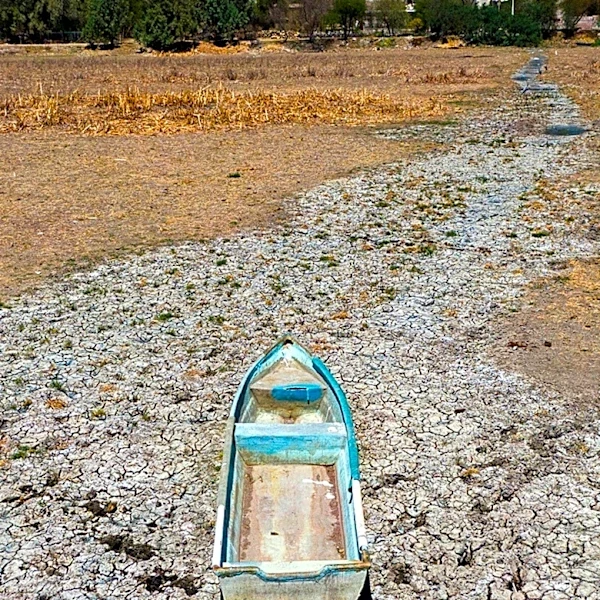
The forecast for a warmer and drier fall in New York carries several significant implications for various sectors. For agriculture, a prolonged warm period could extend growing seasons for some crops but might also exacerbate drought conditions if precipitation remains low, potentially impacting yields and increasing irrigation costs. The reduced precipitation also raises concerns about an increased risk of wildfires, particularly in areas that continue to experience dry spells, posing threats to natural resources and communities. Economically, the extended warmth could benefit tourism, especially for outdoor activities, but might negatively affect businesses reliant on traditional fall weather, such as those selling cold-weather apparel or heating fuel. The delayed arrival of cooler weather, however, could have a positive impact on fall foliage, as sunny days combined with cooler nights are known to produce more vibrant colors, potentially boosting tourism in scenic regions. Conversely, the differing forecast from The Old Farmer's Almanac highlights the inherent uncertainties in long-range weather predictions, which can complicate planning for businesses and individuals.
What's Next?
As the fall season progresses, New Yorkers will likely monitor weather patterns closely, particularly regarding temperature and precipitation levels. If the warmer and drier conditions persist as predicted by the National Weather Service and AccuWeather, state and local authorities may need to issue advisories concerning drought conditions and wildfire risks. Farmers will continue to adapt their practices to the extended warmth and potential lack of rain, possibly adjusting harvest schedules or water management strategies. Businesses in the tourism sector will likely capitalize on the prolonged mild weather, promoting outdoor events and activities. Conversely, if the predictions from The Old Farmer's Almanac prove more accurate for certain regions, with cooler and wetter conditions, different preparations would be necessary, such as earlier winterizing efforts or increased readiness for potential flooding. The public will also need to adjust their daily routines and seasonal preparations based on the evolving weather, from clothing choices to home maintenance. The accuracy of these long-range forecasts will be evaluated as the season unfolds, influencing future trust in such predictions.
Beyond the Headlines
The varying fall forecasts underscore a broader challenge in climate prediction and its societal impact. While major meteorological services like the National Weather Service and AccuWeather rely on sophisticated models and extensive data, traditional almanacs often use different methodologies, leading to occasional discrepancies. This divergence can create public confusion and highlight the complexities of long-range forecasting in a changing climate. The potential for extended warmth and reduced precipitation in New York also points to larger climate trends, where seasonal norms are shifting. This shift has long-term implications for regional ecosystems, water resources, and agricultural practices, potentially necessitating significant adaptations in infrastructure and policy. The increased risk of wildfires, for instance, could lead to greater investment in fire prevention and response, while changes in agricultural cycles might prompt shifts in crop selection or farming techniques. Ultimately, these seasonal predictions, and their accuracy, serve as micro-indicators of broader environmental changes that will continue to shape the future of the region.