







What's Happening?
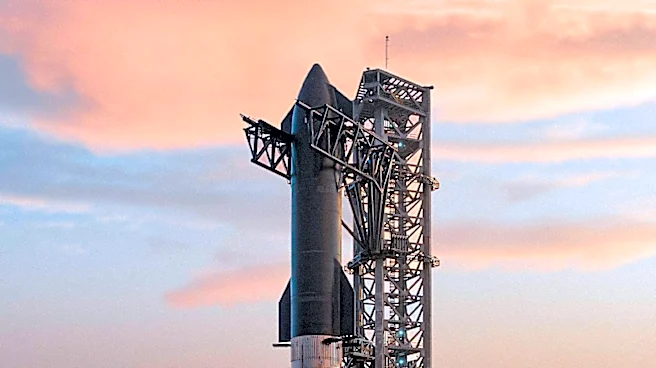
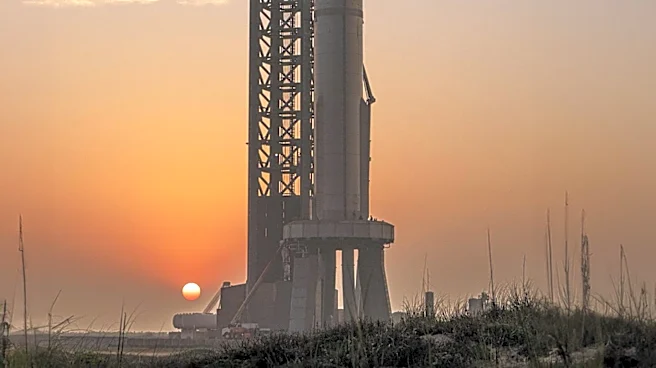
SpaceX's Starship rocket, the largest and most powerful launch vehicle ever flown, has its 15th test flight tentatively scheduled for no earlier than November 12, 2026. This mission is expected to launch from SpaceX’s Starbase facility in southern Texas.
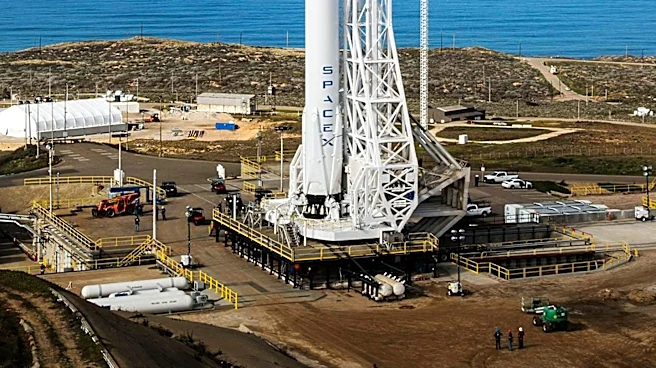
The flight will utilize the latest iteration, Starship Version 3, which includes enhancements aimed at improving performance and reusability. Preparations for the flight have involved extensive ground testing, including static-fire tests of the Ship 42 upper stage and the Super Heavy booster in late October. Unlike the Falcon 9, Starship is designed to be fully reusable and capable of transporting astronauts and cargo to the Moon, Mars, and other deep-space destinations. Independent launch trackers like SpaceXNow, Next Spaceflight, and SpaceNexus have indicated this November target, though an official launch confirmation and definitive liftoff time from SpaceX are still pending, as the mission is subject to technical readiness and regulatory approvals.
Why It's Important?
The successful development and deployment of Starship are crucial for significantly reducing the cost and increasing the frequency of space launches. Its full reusability, a core objective of the program, could revolutionize space transportation, making ambitious missions to the Moon and Mars more economically viable. This advancement has profound implications for U.S. space exploration goals, including NASA's Artemis program, which plans to use Starship for lunar landings. Cheaper and more frequent launches would also benefit commercial satellite deployment, scientific research, and potentially space tourism, fostering growth in the U.S. aerospace industry. The ongoing test flights are vital for validating Starship's design and operational capabilities, paving the way for future human and robotic missions that could solidify the U.S.'s leadership in space.
What's Next?
The immediate next steps involve continued technical preparations and securing regulatory approvals for Starship Flight 15. SpaceX will need to finalize all ground tests and obtain necessary clearances from regulatory bodies before a definitive launch date can be announced. Following this test flight, data collected will be critical for further refinements to Starship's design and operational procedures, particularly concerning reusability and performance. Future missions will likely focus on demonstrating more complex maneuvers, such as orbital refueling and precise landings, which are essential for deep-space travel. The long-term vision includes using Starship for crewed lunar missions as part of the Artemis program and eventually for establishing a human presence on Mars, marking a significant leap in human space exploration capabilities.
Beyond the Headlines
The development of Starship represents a paradigm shift in space exploration, moving beyond traditional expendable rockets towards a fully reusable architecture. This approach not only promises cost reductions but also opens up possibilities for entirely new types of space missions, including large-scale space infrastructure deployment and sustained human presence beyond Earth orbit. The challenges, however, are substantial, encompassing complex engineering hurdles, regulatory navigation, and the financial investment required for such an ambitious undertaking. The success of Starship could inspire a new era of innovation in aerospace, potentially leading to advancements in materials science, propulsion systems, and autonomous operations. It also underscores the growing role of private companies like SpaceX in shaping the future of space exploration, complementing government-led initiatives and fostering a more dynamic and competitive space industry.