








What's Happening?
The mobile healthcare market is experiencing significant expansion, with projections indicating a rise from $101.27 billion in 2025 to an estimated $222.32 billion by 2030. This growth is driven by several factors, including the proliferation of digital
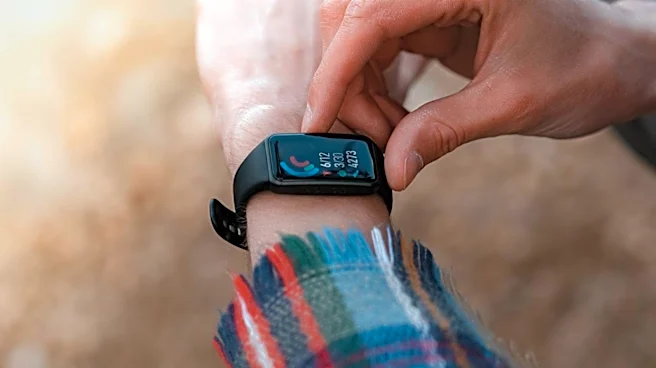
health initiatives, an increase in chronic disease rates, widespread smartphone usage, and the growing adoption of wearable health devices. Telemedicine services have also played a crucial role in this expansion, enabling real-time consultations and remote monitoring. Key trends shaping this outlook include the adoption of remote patient monitoring technologies, the rise of mobile diagnostic tools, greater integration of wearables, and enhanced real-time health data analytics. The market is segmented by device type, service type, and stakeholder, encompassing a wide range of products and services from blood glucose monitors to wellness and fitness solutions.
Why It's Important?
The rapid growth of the mobile healthcare market signifies a transformative shift in healthcare delivery, with substantial implications for U.S. industries, public policy, and economic stakeholders. For the healthcare industry, this expansion means increased investment in digital health solutions, fostering innovation in medical devices, software, and service models. Technology companies stand to gain from the rising demand for connected health platforms, AI-powered clinical decision support tools, and advanced data analytics. Patients in the U.S. could benefit from more personalized, accessible, and convenient healthcare options, particularly for chronic disease management and preventive care. However, this growth also presents challenges related to data privacy, regulatory frameworks for new technologies, and ensuring equitable access to mobile health services across different socioeconomic groups. The shift towards home-based healthcare models could also impact traditional healthcare infrastructure and employment patterns.
What's Next?
Looking ahead, the mobile healthcare market is expected to see continued acceleration, fueled by growing demand for personalized healthcare solutions and heightened investments in connected health platforms. The integration of AI-powered tools will likely become more prevalent, enhancing diagnostic capabilities and streamlining administrative workflows. Regulatory bodies will need to adapt to the rapid pace of technological advancement, potentially developing new guidelines for data security, interoperability, and the efficacy of mobile health applications. Businesses will focus on strategic collaborations and acquisitions, such as the recent partnership between Sweden's Asker Healthcare Group and US-based Hugo Technology Ltd., to leverage combined strengths and improve service quality. The development of cloud-based healthcare solutions, like Fujitsu Limited's platform converting electronic medical records to HL7 FHIR standard, will further enable seamless data management and real-time collaboration among healthcare providers.
Beyond the Headlines
The expansion of mobile healthcare extends beyond mere technological adoption, touching upon deeper societal and ethical considerations. The increasing reliance on remote monitoring and AI in healthcare raises questions about the human element in patient care and the potential for algorithmic bias in diagnostic tools. Ensuring data security and patient privacy in an increasingly interconnected healthcare ecosystem will be paramount, requiring robust legal and ethical frameworks. Furthermore, the push for personalized healthcare solutions could exacerbate existing health disparities if access to advanced mobile health technologies is not universally equitable. The long-term shift towards home-based care models could also redefine the role of healthcare professionals and the structure of medical institutions, potentially leading to new models of care delivery and professional training.