

What's Happening?
A strong El Niño event is currently underway and is anticipated to be one of the most powerful on record, potentially peaking in the coming months. This natural phenomenon, characterized by above-average sea surface temperatures in the central and eastern
tropical Pacific Ocean, significantly influences global weather patterns. Its effects across the United States are expected to be diverse. For instance, Southern California faces an increased likelihood of heavier rain and storms, prompting local preparedness efforts. In contrast, Ohio is projected to experience warmer and drier conditions, historically leading to less snowfall. Alaska's weather patterns are more challenging to predict due to multiple influencing factors, though past strong El Niño events have often resulted in below-average snowfall. The Midwest may see milder, drier winters, while the Northeast has a greater than 50% chance of a milder-than-normal winter with increased precipitation, which could manifest as rain or snow. The Southwest anticipates favorable storm activity, potentially bringing much-needed rain and snow to drought-stricken areas like Arizona and New Mexico, though northern Utah and parts of Colorado face more unpredictable outcomes. The Southeast is expected to become wetter and may experience bouts of cold weather, increasing the risk of ice storms.
Why It's Important?
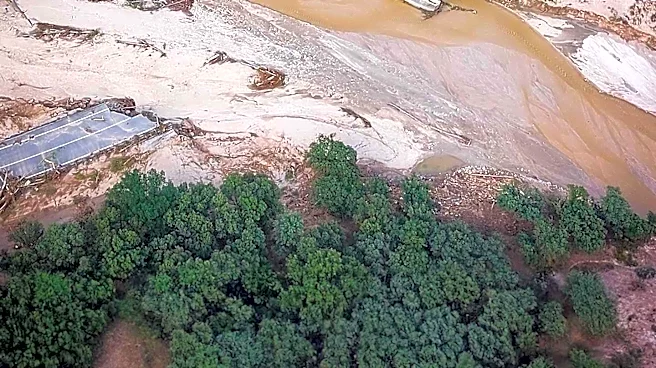
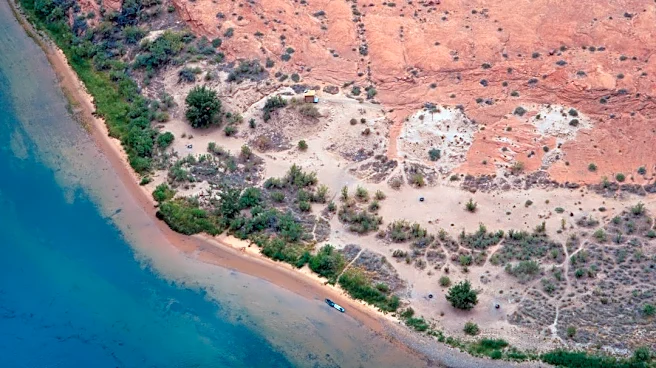
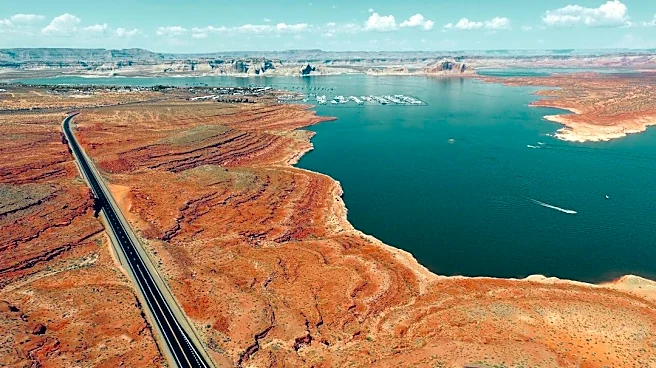
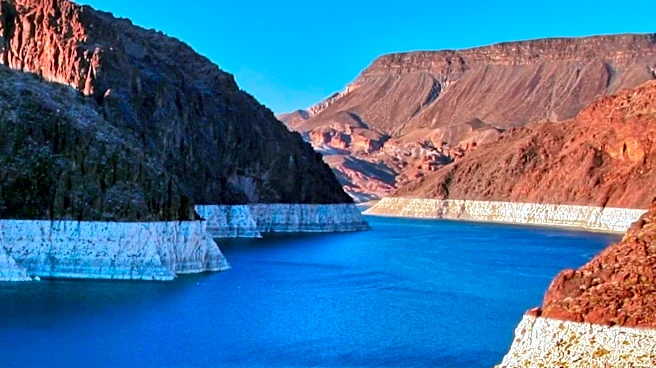
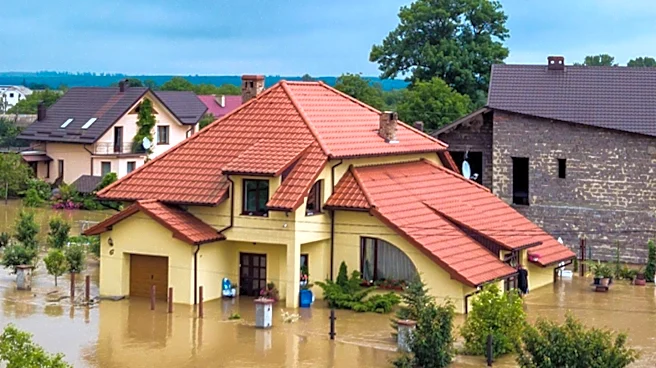
The widespread and varied impacts of this strong El Niño are significant for various sectors across the U.S. In regions like Southern California and the Southwest, increased precipitation could alleviate severe drought conditions, benefiting agriculture and replenishing critical water reservoirs such as Lake Mead and Lake Powell, which serve approximately 40 million people. However, this also raises concerns about potential flooding, flash floods, and debris flows, necessitating robust emergency preparedness from local authorities and residents. In the Northwest, warmer and drier conditions could lead to reduced mountain snowpack, impacting water availability for irrigation, drinking water, and hydropower, and increasing the risk of drought and wildfires in the spring and summer. The Midwest's milder winter could reduce heating costs for residents, but changes in ice cover on the Great Lakes could affect regional economies and ecosystems. The Southeast's increased rainfall could improve drought conditions but also brings the threat of ice storms and associated power outages and infrastructure damage. The unpredictable nature of El Niño's effects in some areas, like Alaska and parts of the Northern Great Plains, underscores the challenges in climate forecasting and the need for adaptable strategies to mitigate potential risks.
What's Next?
As the strong El Niño is expected to persist into early next year, U.S. regions will continue to monitor and adapt to its evolving weather patterns. Southern California, for example, is actively preparing for potential heavy rains and storms, with San Bernardino County coordinating efforts across multiple departments, including monitoring forecasts, inspecting drainage systems, and expanding community outreach. Residents in affected areas are advised to sign up for local emergency alerts, prepare emergency kits, and take steps to protect their homes from potential flooding or extreme cold. In the Southwest, while increased moisture is anticipated, experts caution that one wet winter may not fully resolve long-term drought issues, and the region must remain vigilant about water conservation. The potential for high-impact winter storms in the Northeast, particularly along the I-95 corridor, means residents should stay informed through short-term forecasts. Across the country, the focus will be on immediate response to weather events, infrastructure protection, and public safety, with ongoing efforts to understand and mitigate the long-term implications of climate change on such natural phenomena.
Beyond the Headlines
The current El Niño event highlights the complex interplay between natural climate cycles and anthropogenic climate change. While El Niño is a natural phenomenon, some research suggests that rising global temperatures may be contributing to stronger El Niño events, intensifying their impacts. This creates a 'new normal' where extreme weather events, whether droughts, floods, or wildfires, become more frequent and severe. The varying regional impacts across the U.S. underscore the need for localized and adaptive climate resilience strategies, moving beyond a one-size-fits-all approach. The event also brings to light the ethical considerations of resource allocation and disaster preparedness, particularly for vulnerable communities. For instance, the potential for increased wildfire risk in California following heavy rains, due to subsequent vegetation growth, illustrates the cascading and sometimes counterintuitive effects of extreme weather. Furthermore, the reliance on accurate climate modeling, as discussed in efforts to improve El Niño Southern Oscillation simulations, is crucial for effective forecasting and preparedness, yet these models still face challenges in predicting precise local impacts and potential side effects on the global climate.