




What's Happening?
In a recent announcement, President Trump has issued a stern warning to countries supplying military weapons to Iran, stating that they will face a 50% tariff on all goods sold to the United States. This declaration was made on his Truth Social platform,
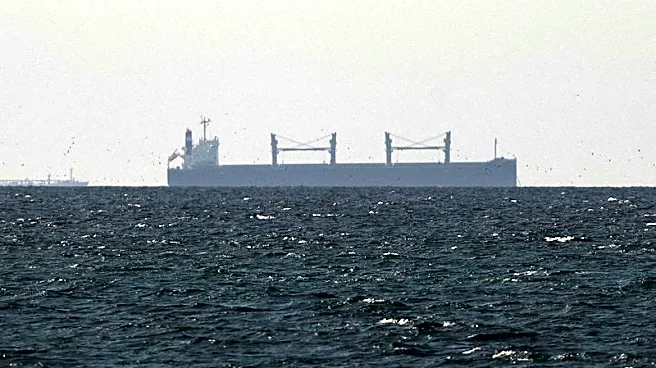
emphasizing the immediacy and lack of exemptions for these tariffs. The announcement follows a recent agreement between the U.S. and Iran for a two-week ceasefire, contingent on Iran allowing the passage of ships through the Strait of Hormuz, a critical global shipping route. This development is part of a broader strategy by the Trump administration to exert pressure on Iran and its allies.
Why It's Important?
This policy could have far-reaching consequences for international trade and diplomatic relations. The tariffs are likely to affect countries like Russia and China, which have been involved in supplying military equipment to Iran. Economically, the tariffs could lead to increased costs for U.S. consumers and businesses that rely on imports from these nations. Politically, this move could escalate tensions between the U.S. and the affected countries, potentially leading to retaliatory actions. The decision also reflects ongoing geopolitical dynamics in the Middle East, particularly concerning Iran's military activities and its impact on global oil markets.
What's Next?
The international community will be closely watching the responses from Russia and China, as well as any potential retaliatory measures they might take. The U.S. administration will need to address the legal and logistical challenges of implementing these tariffs, especially in light of recent legal constraints. Domestically, there may be pushback from industries and trade groups concerned about the economic impact of these tariffs. Additionally, this development could influence future diplomatic negotiations related to Iran's military and nuclear activities, as well as broader U.S. foreign policy in the region.