








What's Happening?
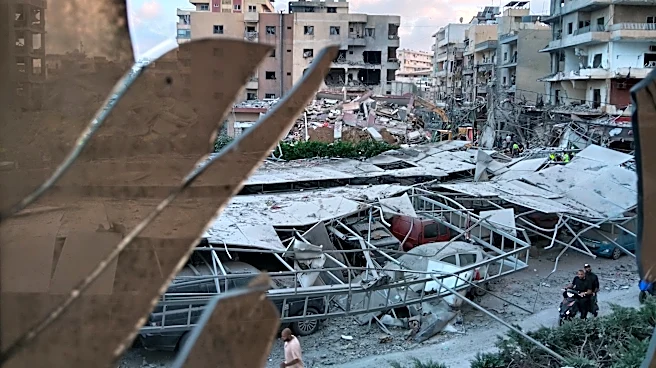
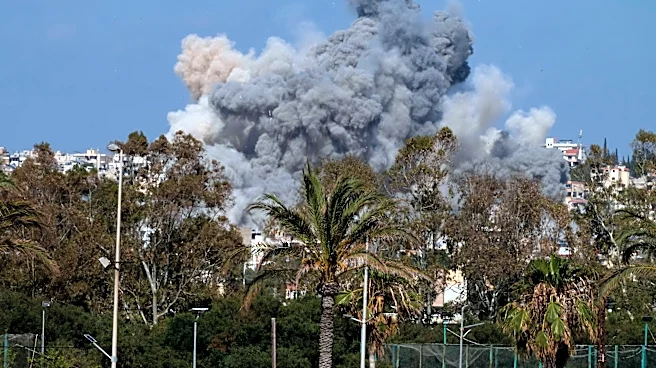
Israel and Lebanon have agreed to a ceasefire, contingent on the cessation of Hezbollah fire and the removal of Hezbollah operatives from southern Lebanon. This agreement follows threats from the Israeli government to escalate actions in Lebanon, which
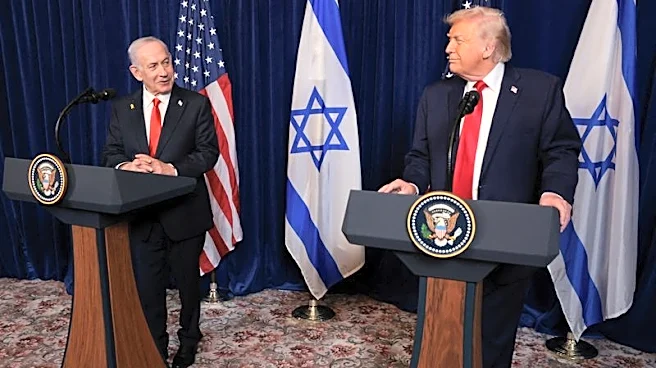
could impact US-Iran peace talks. Despite the agreement, Hezbollah, the Iran-backed militant group, has rejected the pact, complicating the ceasefire's implementation. The ongoing ceasefire has seen repeated violations, with continued strikes between Israel and Hezbollah. Meanwhile, US President Trump has expressed optimism about reaching a deal with Iran, although Iran's foreign minister has indicated no significant progress.
Why It's Important?
The ceasefire between Israel and Lebanon is crucial as it aims to reduce hostilities in a region marked by prolonged conflict. The rejection by Hezbollah highlights the challenges in achieving lasting peace, as the group's demands for Israeli withdrawal complicate negotiations. The situation also affects US-Iran relations, with potential implications for broader Middle Eastern stability. The ceasefire's success or failure could influence diplomatic efforts and impact regional security dynamics, affecting both local populations and international stakeholders involved in peace processes.
What's Next?
The future of the ceasefire remains uncertain, with potential for further negotiations or escalations depending on Hezbollah's stance and Israel's actions. The US may continue to mediate talks, seeking to address Hezbollah's concerns while maintaining regional stability. Reactions from major stakeholders, including Iran and other Middle Eastern countries, will be pivotal in shaping the ceasefire's trajectory. The international community may also play a role in supporting diplomatic efforts to ensure a sustainable peace agreement.