




What's Happening?
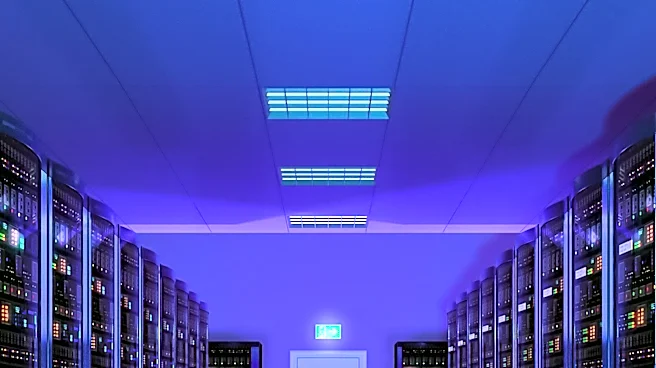
The construction and operation of data centers in the United States, particularly in Texas, have raised significant concerns among members of the agricultural community. Texas Agriculture Commissioner Sid Miller has called for a special legislative session
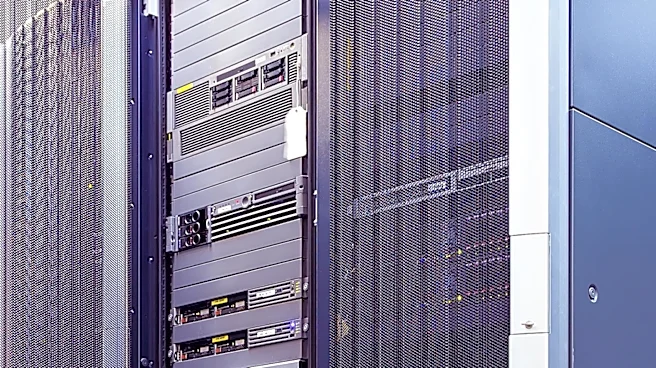
to address the issue, highlighting the potential negative impacts on farmland, water supplies, and the electric grid. Despite the withdrawal of a planned data center project by Diode near Cedar Creek Lake, Miller emphasizes that numerous other data centers are still planned or under construction. Texas currently hosts 580 data centers, with Virginia leading the nation with 736. The American Farm Bureau Federation reports a total of 4,925 data centers active or under construction across the country. Concerns are particularly pronounced in rural areas, where residents fear the loss of agricultural land and increased electricity costs.
Why It's Important?
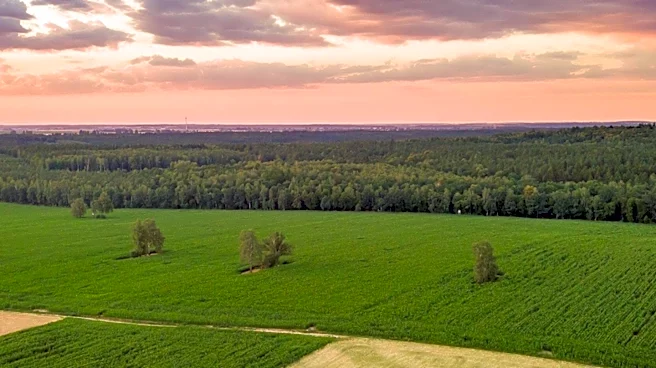
The expansion of data centers poses significant challenges for rural communities and the agricultural sector. These facilities require substantial land, often leading to the conversion of prime farmland, which can impact local food production and rural economies. Additionally, data centers are energy-intensive, potentially straining local power grids and increasing electricity costs for residents. The water usage of these centers is another concern, as they can deplete local water resources, affecting both agriculture and community water supplies. The debate over data centers highlights the need for balanced development that considers both technological advancement and the preservation of essential agricultural resources.
What's Next?
The call for a special legislative session in Texas suggests that state-level policy responses may be forthcoming. Stakeholders, including government officials, agricultural groups, and community activists, are likely to engage in discussions to find solutions that mitigate the negative impacts of data centers. Potential measures could include zoning regulations to protect farmland, incentives for data centers to use renewable energy, and infrastructure investments to support the increased demand on power grids. The outcome of these discussions could set precedents for how other states manage the growth of data centers.