


What's Happening?
German Chancellor Friedrich Merz visited Beijing to address the growing trade deficit between Germany and China. During his meeting with Chinese President Xi Jinping, Merz emphasized the need to deepen the 'comprehensive strategic partnership' with China,
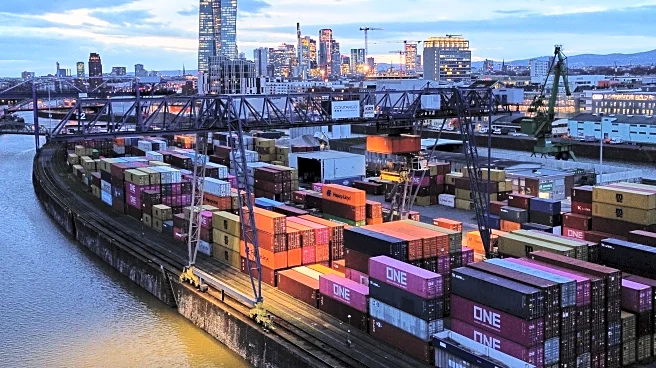
which is Germany's largest trading partner. The visit aimed to reset relations that have been strained by a significant trade imbalance, which has quadrupled since 2020. Merz highlighted the importance of reducing this deficit, which he attributed to overcapacity in China. The visit also included discussions on potential cooperation in various sectors, including automobiles, chemicals, artificial intelligence, and biomedicine. Merz was accompanied by a delegation of 30 German business executives, underscoring the economic significance of the trip.
Why It's Important?
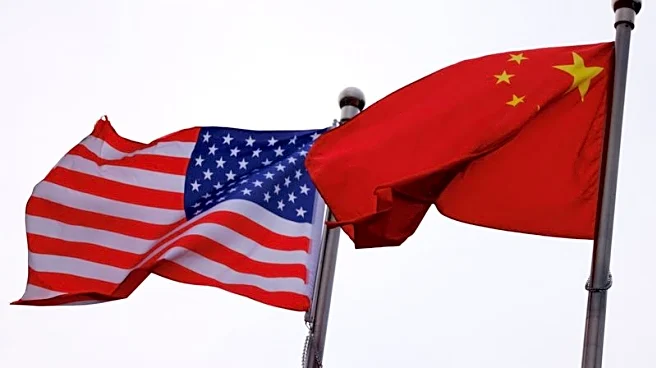
The visit is crucial for Germany as it seeks to balance its economic interests with China while addressing concerns over trade imbalances. The trade deficit poses a risk to Germany's economy, which is still recovering from a recession. By engaging in dialogue with China, Germany aims to secure its industrial interests and ensure fair competition. The discussions also reflect broader geopolitical dynamics, as European leaders seek to strengthen ties with China amidst a shifting relationship with the U.S. under the Trump administration. The outcome of these talks could influence Germany's economic strategy and its position within the European Union regarding trade policies with China.
What's Next?
Following the visit, both countries are expected to engage in further discussions to address the trade imbalance and explore new areas of cooperation. Merz's upcoming visit to Washington may also influence Germany's approach to its trade relations with China, as it navigates its position between two major global powers. The agreements signed during the visit, although limited, could pave the way for more substantial economic partnerships in the future.