








What's Happening?
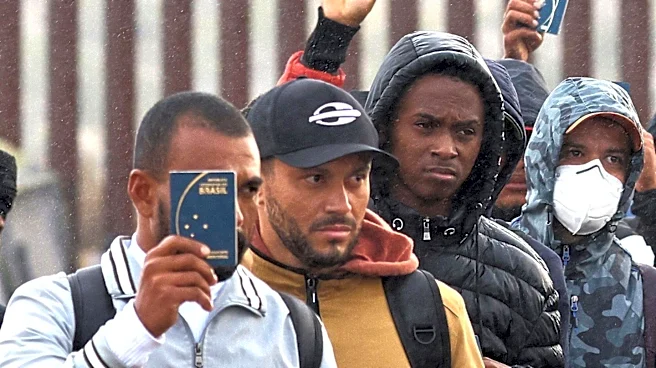
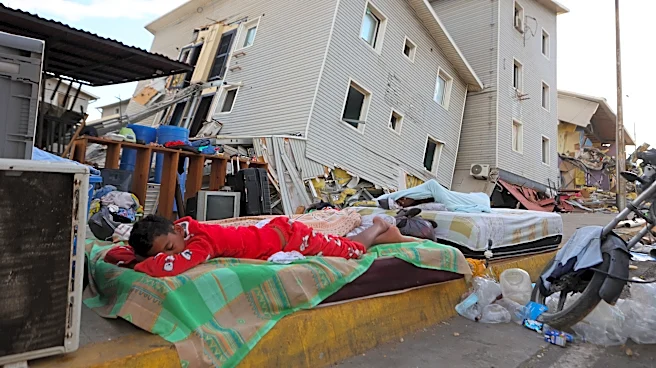
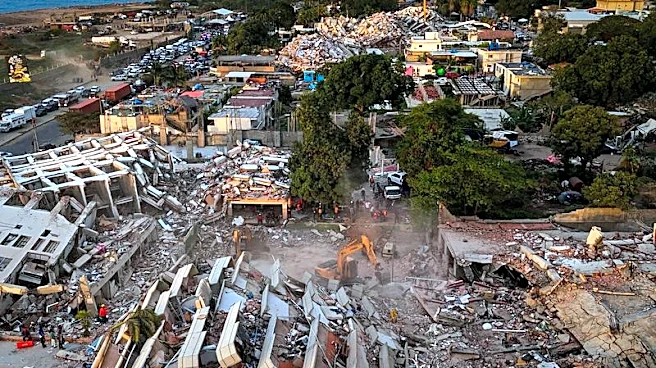
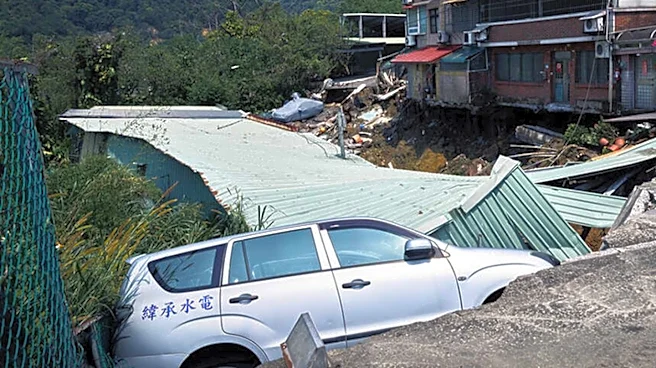
More than 100 Venezuelans deported from the United States are missing following a devastating earthquake in Venezuela. A deportation flight from Miami arrived in Caracas just hours before the earthquakes struck, carrying 146 Venezuelans, including 19
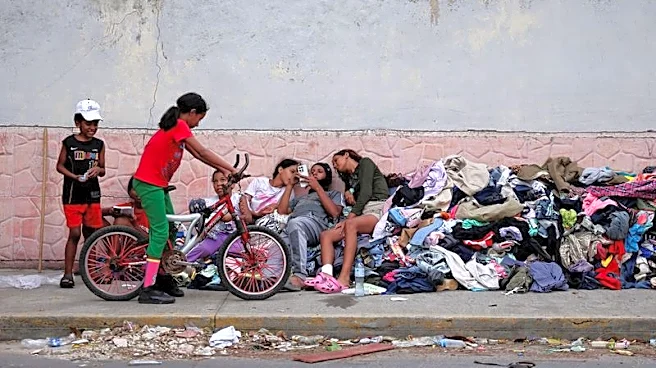
women and seven children. These individuals were taken to a hotel in La Guaira, one of the hardest-hit areas by the 7.2 and 7.5 magnitude earthquakes. Survivors, including Lisbeth Portillo, described the chaos as they escaped the rubble, with many people running barefoot and in shock. The Venezuelan government reports over 1,700 fatalities due to the earthquakes. The deportees were part of the Trump administration's mass deportation efforts, with flights to Venezuela resuming in February 2025 after a 13-month pause.
Why It's Important?
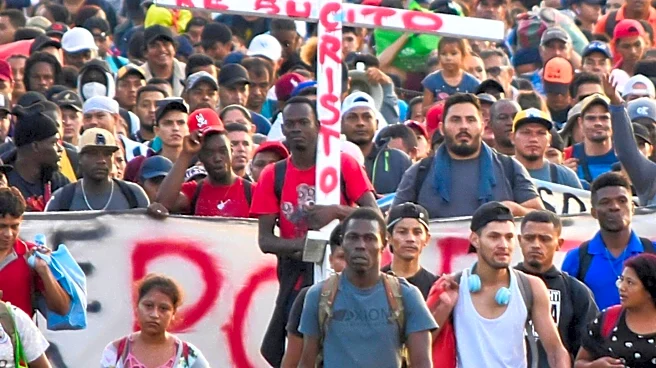
This incident highlights the complex humanitarian and political challenges surrounding U.S. deportation policies and their consequences. The deportation of Venezuelans, many of whom were seeking asylum, underscores the ongoing debate over immigration policies in the U.S. The earthquakes have compounded the crisis, leaving deportees in a vulnerable position without immediate support or communication. This situation may prompt further scrutiny of deportation practices and the responsibilities of the U.S. government towards individuals it deports, especially in cases where they are sent back to unstable or dangerous environments.
What's Next?
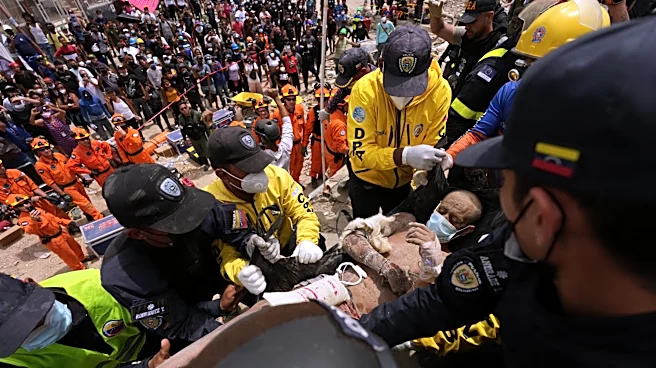
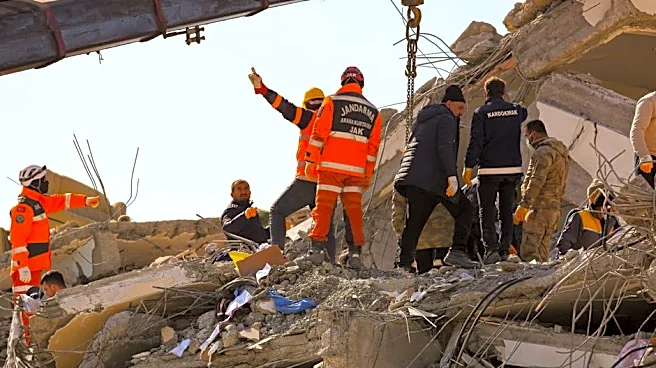
The immediate focus is on rescue operations and providing aid to those affected by the earthquakes in Venezuela. For the deportees, efforts to locate missing individuals and reunite families are critical. The U.S. government may face increased pressure to review its deportation policies, particularly in light of the humanitarian crisis. International organizations and human rights groups are likely to call for accountability and support for the affected individuals. The situation may also influence future immigration policy discussions in the U.S., especially regarding deportations to countries experiencing crises.