


What's Happening?
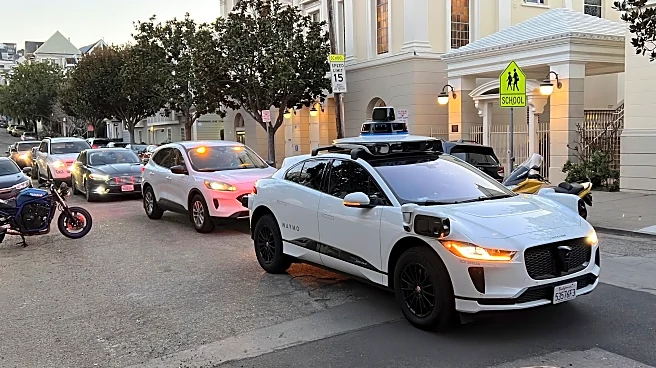
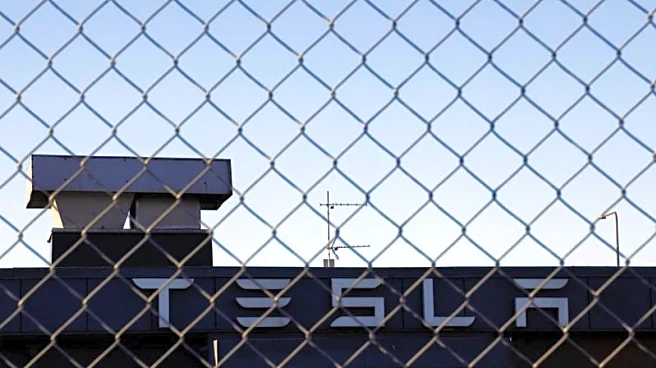
The U.S. Senate Commerce Committee recently held a hearing to discuss the deployment of self-driving vehicles, with testimonies from major industry players like Waymo and Tesla. The focus of the hearing was on the need to modernize regulations to maintain
U.S. leadership in autonomous vehicle technology. Lawmakers expressed concerns over China's significant investments and advancements in this sector, which pose a competitive threat to the U.S. Democratic Senator Gary Peters emphasized the importance of American innovation leading the global automotive industry, while Senate Commerce Committee Chair Ted Cruz warned that failing to act could push innovation to other countries. Waymo and Tesla representatives urged Congress to pass legislation that would facilitate the deployment of autonomous vehicles, highlighting the strategic importance of the industry.
Why It's Important?
The push for updated legislation on self-driving vehicles is crucial for maintaining the U.S.'s competitive edge in the global automotive industry. As China aggressively invests in autonomous vehicle technology, the U.S. risks falling behind if it does not modernize its regulatory framework. This could have significant implications for the U.S. economy, as the autonomous vehicle sector is projected to be a trillion-dollar industry. Ensuring that American companies lead in this field could secure economic benefits and technological leadership. Conversely, failing to act could result in China setting the standards and dominating the global market, which would impact U.S. businesses and innovation.
What's Next?
The next steps involve Congress considering and potentially passing legislation that would ease the deployment of self-driving vehicles. This would involve addressing regulatory hurdles that currently inhibit innovation in the industry. Major stakeholders, including lawmakers and industry leaders, are likely to continue advocating for swift legislative action. The outcome of these efforts will determine the U.S.'s position in the global race for autonomous vehicle technology. If successful, the U.S. could solidify its leadership in this strategic industry, but delays could result in lost opportunities and economic disadvantages.