




What's Happening?
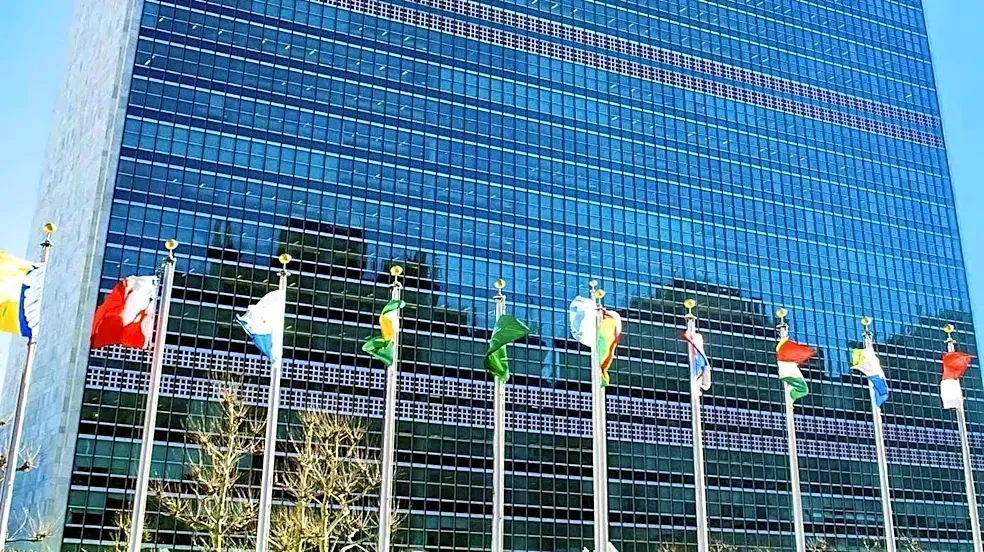
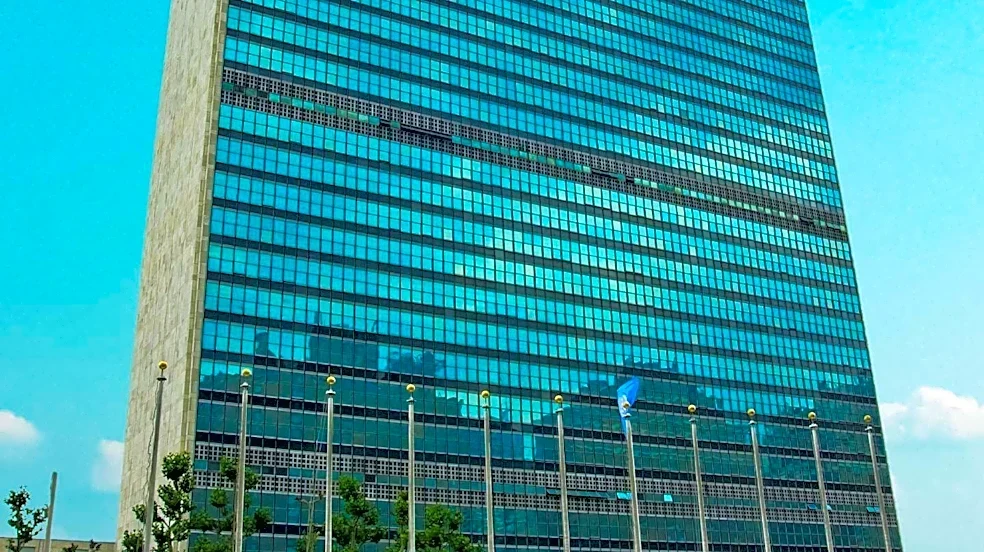
The United Nations Human Rights Committee convened its 4296th meeting, part of its 146th session, to consider Cameroon's sixth periodic report. This report, submitted under a simplified procedure, details the progress and challenges Cameroon faces in strengthening
the rule of law and ensuring the effective enjoyment of rights enshrined in the International Covenant on Civil and Political Rights. The report was developed through extensive consultations with sectoral administrations, civil society organizations, and the Cameroonian Human Rights Commission. Discussions during the meeting focused on the legal framework, the independence and effectiveness of the Cameroonian Human Rights Commission, efforts to combat impunity, protection of civilians, and the administration of justice. Specific concerns were raised regarding the implementation of the Covenant in domestic law, the lack of specific data on investigations and prosecutions, and the jurisdiction of military courts over civilians.
Why It's Important?
This review by the UN Human Rights Committee is a critical mechanism for international oversight of human rights compliance. It provides a platform for scrutinizing a state party's adherence to international human rights obligations and highlights areas requiring improvement. For Cameroon, the committee's observations and recommendations can influence national policy and legal reforms, potentially leading to stronger protections for its citizens. The involvement of civil society organizations in the report's preparation and the committee's emphasis on their contribution underscore the importance of non-governmental actors in human rights monitoring. The dialogue aims to ensure that the rights of individuals are respected, particularly in contexts marked by conflict and internal displacement, and to promote accountability for human rights violations.
What's Next?
Following the review, the UN Human Rights Committee will issue concluding observations and recommendations to Cameroon. These recommendations will likely address the concerns raised during the meeting, such as the need for greater independence of the Human Rights Commission, improved data collection on human rights violations, clarification of the jurisdiction of customary and military courts, and enhanced protection for civilians. Cameroon will then be expected to implement these recommendations and report on its progress in subsequent periodic reports. The committee's ongoing engagement serves as a continuous pressure point for states to uphold their international human rights commitments and to ensure that their legal and institutional frameworks are aligned with global standards.
Beyond the Headlines
The UN Human Rights Committee's review extends beyond mere procedural compliance; it delves into the practical realities of human rights on the ground. The detailed questions about specific cases, data discrepancies, and the effectiveness of national institutions reveal the committee's commitment to understanding the lived experiences of individuals. The discussion on the role of customary courts and the protection of vulnerable groups, such as women and children, highlights the complex interplay between traditional practices, national law, and international human rights standards. This process underscores the continuous challenge of translating international legal obligations into tangible protections and remedies for all citizens, particularly in diverse and often conflict-affected regions.