

What's Happening?
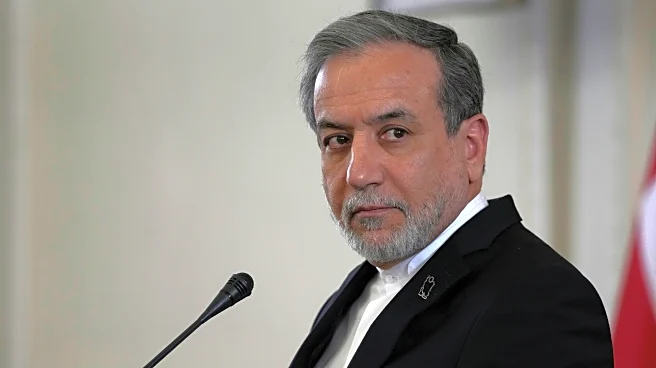
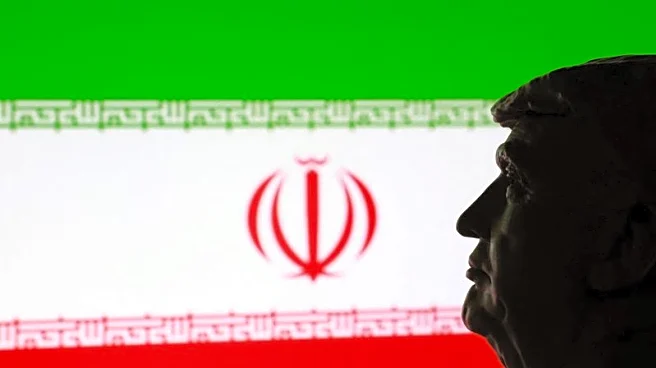
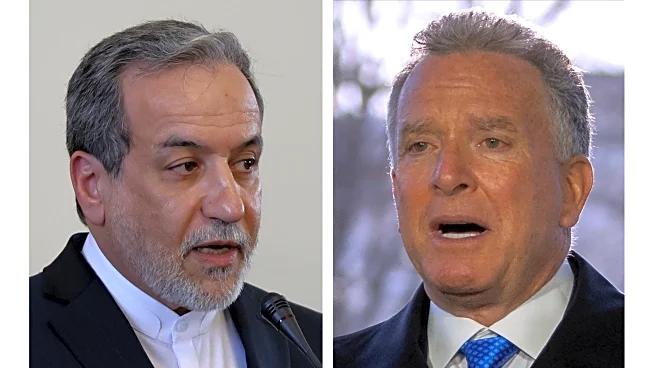
Israeli Prime Minister Benjamin Netanyahu has expedited his visit to Washington to meet with U.S. President Donald Trump, amid ongoing U.S.-Iran talks in Oman. Netanyahu's primary concern is that Iran's ballistic missile program is not being adequately
addressed in these discussions. The meeting aims to ensure that the issue remains a priority for the U.S. administration. Netanyahu believes his personal rapport with President Trump will help reinforce Israel's security needs, particularly regarding the existential threat posed by Iran's missile capabilities. The visit also serves as a counterbalance to pressures from Qatar, Turkey, and Iran, as well as factions within the U.S. that oppose further military involvement in the region.
Why It's Important?
The meeting between Netanyahu and Trump is pivotal in shaping U.S. policy towards Iran, particularly concerning its missile program. Israel views these missiles as a direct threat, and Netanyahu's efforts to keep this issue on the U.S. agenda reflect the broader geopolitical stakes. The outcome of these discussions could influence U.S. military strategy and diplomatic relations in the Middle East. For Israel, ensuring U.S. support is crucial for its national security, while for the U.S., balancing diplomatic negotiations with military readiness remains a complex challenge.
What's Next?
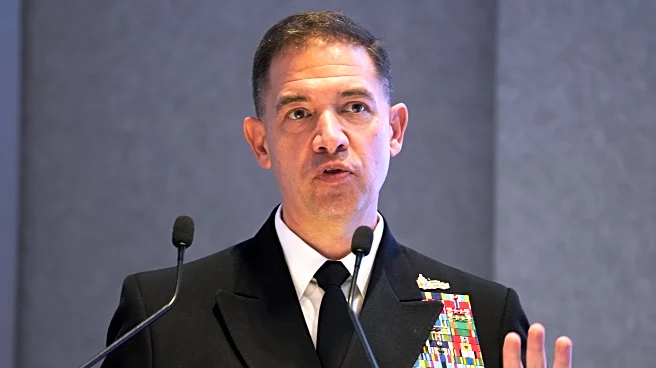
The U.S. continues to build up its military presence in the region, suggesting that a strike on Iran remains a possibility if diplomatic efforts fail. Netanyahu's visit is also strategically timed to avoid coinciding with the convening of Trump's Board of Peace, which includes leaders from Qatar and Turkey. This move is intended to prevent political complications for Netanyahu domestically. The ongoing negotiations and military preparations indicate that the situation remains fluid, with potential for significant developments in U.S.-Iran relations.