
What's Happening?
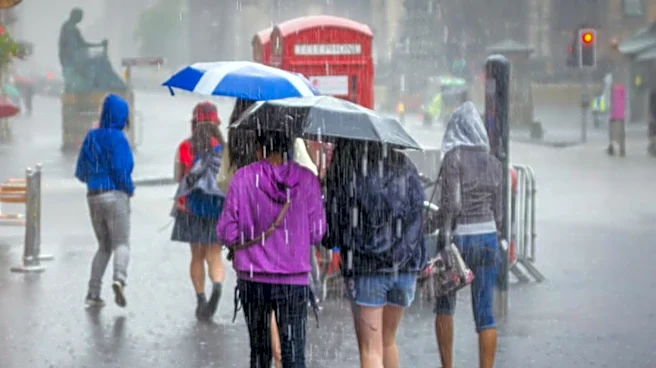
Northwest England received 122% of its long-term average rainfall in October 2026, indicating a significantly wetter month than usual, according to a GOV.UK report. This increased precipitation led to a rise
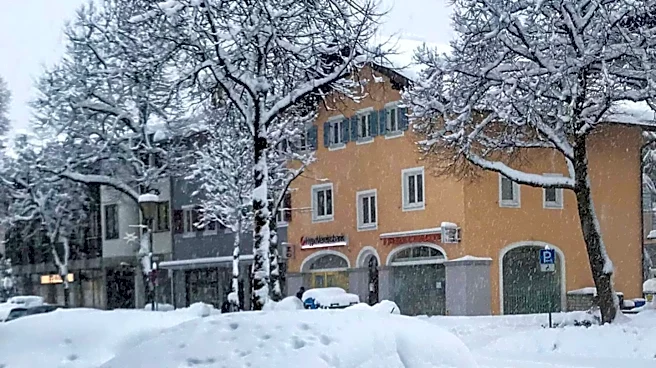
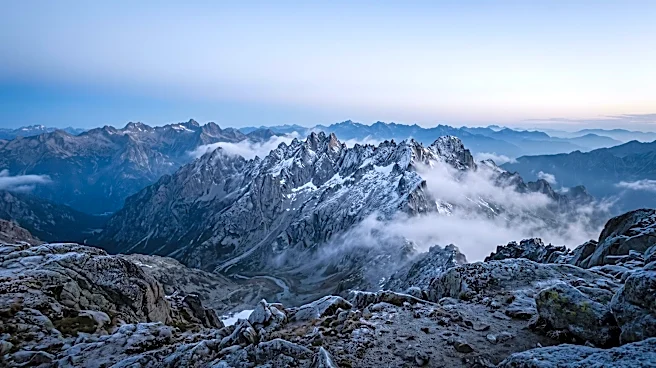
in reservoir storage across the region, with net storage increasing from 52.9% to 66.0% by the beginning of November. Despite this increase, reservoir levels remain below the average of 77.5% typically observed for this time of year. Concurrently, the BBC and Manchester Evening News reported a yellow weather warning for snow in Greater Manchester and Lancashire. The UK Health Security Agency also issued a yellow cold-health alert for the North West, North East, and Yorkshire and the Humber regions. The Met Office forecasted that snow would eventually transition to rain, with areas above 100 meters in altitude being most susceptible to snowfall.
Why It's Important?
The above-average rainfall in Northwest England is crucial for water resource management, as it contributes to replenishing reservoir levels that were previously below seasonal averages. While the increase is positive, the fact that storage remains below the long-term average highlights ongoing concerns about water security and the need for sustained precipitation or careful management. The concurrent weather warnings for snow and cold-health alerts underscore the immediate public health and safety implications for residents in the affected regions. Such weather events can disrupt transportation, increase energy demands for heating, and pose health risks, particularly for vulnerable populations. The combination of heavy rainfall and potential snowfall also raises concerns about localized flooding and infrastructure strain, impacting daily life and regional services.
What's Next?
Following the recent weather patterns, authorities will likely continue to monitor reservoir levels closely to assess the region's water supply outlook for the coming months. Water utility companies may adjust their operational strategies based on these levels and future precipitation forecasts. Residents in areas under yellow weather warnings for snow and cold-health alerts should anticipate continued advisories and potential disruptions. Local councils and emergency services will remain on standby to address any issues arising from adverse weather, such as road closures or increased demand for emergency assistance. Public health agencies will likely continue to issue guidance on staying warm and safe during cold spells, especially for at-risk individuals. The Met Office will provide updated forecasts to inform the public about any changes in weather conditions.
Beyond the Headlines
The fluctuating weather patterns in Northwest England, characterized by both above-average rainfall and sudden cold snaps with snow warnings, reflect broader climate variability trends. Such events can strain existing infrastructure, particularly water management systems and transportation networks, highlighting the need for resilient planning and adaptation strategies. The persistent below-average reservoir levels, even after significant rainfall, suggest a long-term challenge in maintaining adequate water resources, potentially influenced by changing precipitation patterns and increased demand. These conditions also bring into focus the interconnectedness of environmental factors and public health, as cold-health alerts become a regular feature during winter months. The region's experience serves as a microcosm of the challenges many areas face in adapting to more unpredictable weather, necessitating integrated approaches to water, energy, and public safety.