


What's Happening?
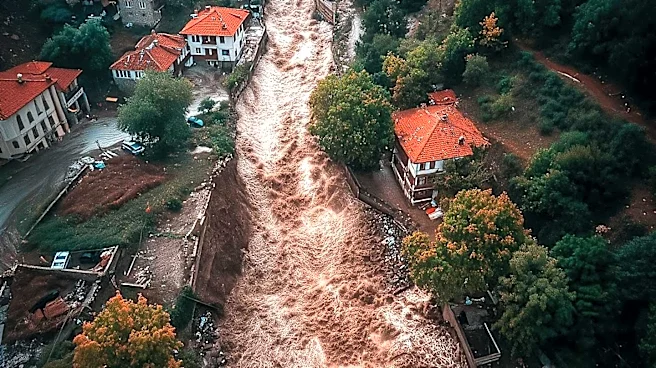
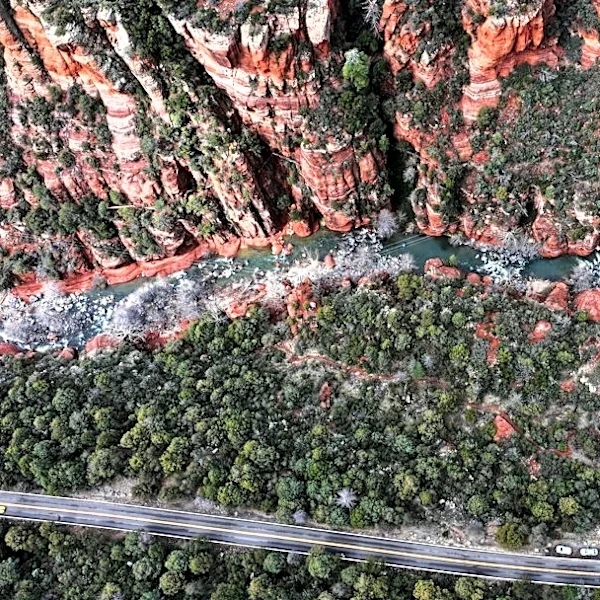
As of November 1, 2026, Sedona, Arizona, has issued mandatory "GO" evacuation orders for zones eight, nine, and ten. These orders are a direct response to severe rainfall that has led to significant flooding along Oak Creek. The rising water levels have
necessitated the closure of multiple Arizona highways, with no immediate estimates for their reopening. While Interstate 17 has been reopened in both directions, other routes remain impassable. Sedona Fire crews have been actively engaged in numerous rescue operations to assist affected residents. Additionally, transportation crews have utilized plows to clear rockfalls, indicating the widespread impact of the weather event. An evacuation shelter has been established at Sedona Red Rock High School to provide refuge for those displaced by the flooding. Residents are strongly advised to avoid washes and creek beds, and drivers are cautioned against attempting to cross roads covered by rushing water, emphasizing the dangerous conditions.
Why It's Important?
The mandatory evacuations in Sedona highlight the immediate and severe risks posed by extreme weather events, particularly flash flooding, to U.S. communities. This situation underscores the vulnerability of infrastructure, including critical transportation routes like highways, to natural disasters, leading to significant disruptions in travel and commerce. The deployment of fire and transportation crews for rescue and clearing operations demonstrates the substantial public safety and resource allocation challenges faced by local authorities during such crises. For residents, the impact is profound, involving displacement, potential property damage, and the disruption of daily life. The establishment of an evacuation shelter is crucial for humanitarian aid, but the broader economic implications for a tourism-dependent area like Sedona, with closed roads and safety warnings, could be substantial, affecting local businesses and the regional economy. This event serves as a critical reminder of the need for robust emergency preparedness and infrastructure resilience in flood-prone areas across the nation.
What's Next?
In the immediate future, authorities in Sedona will continue to monitor water levels in Oak Creek and assess the structural integrity of affected areas. The primary focus will remain on ensuring the safety of residents, conducting further rescue operations as needed, and managing the evacuation shelter at Sedona Red Rock High School. Efforts to clear debris and reopen closed Arizona highways will proceed as soon as conditions permit, which will be critical for restoring normal traffic flow and access to the evacuated zones. Residents in affected areas will likely await further instructions from emergency services regarding when it is safe to return to their homes. Long-term, this event may prompt a review of flood mitigation strategies and infrastructure improvements in Sedona and other vulnerable communities to better prepare for future severe weather occurrences. The duration of highway closures and the extent of property damage will determine the timeline for recovery and the economic impact on the region.
Beyond the Headlines
The severe flooding in Sedona extends beyond immediate safety concerns, touching upon broader implications for urban planning, climate resilience, and community preparedness in the U.S. The incident highlights the increasing frequency and intensity of extreme weather events, prompting questions about the adequacy of current infrastructure to withstand such forces. For communities like Sedona, which rely heavily on natural beauty and tourism, repeated or severe flooding could lead to long-term economic shifts, potentially impacting property values and the viability of local businesses. Ethically, the event underscores the responsibility of local governments to implement and enforce stringent building codes and land-use policies in floodplains, balancing development with environmental protection. Culturally, such events can foster stronger community bonds through mutual aid and support, but also expose societal inequalities, as vulnerable populations may face greater challenges in evacuation and recovery. This situation serves as a microcosm of the larger national challenge of adapting to a changing climate and protecting communities from its escalating impacts.