
What's Happening?
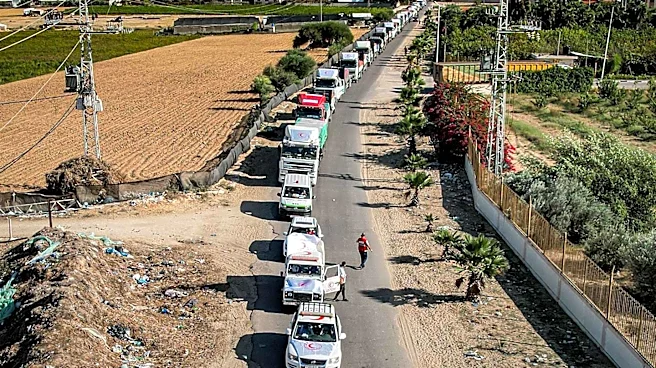
Israel has reportedly failed to uphold its commitments under the Gaza ceasefire agreement, allowing only about half of the promised humanitarian and commercial goods into the region each month since March. Data obtained by Haaretz newspaper, and supplied
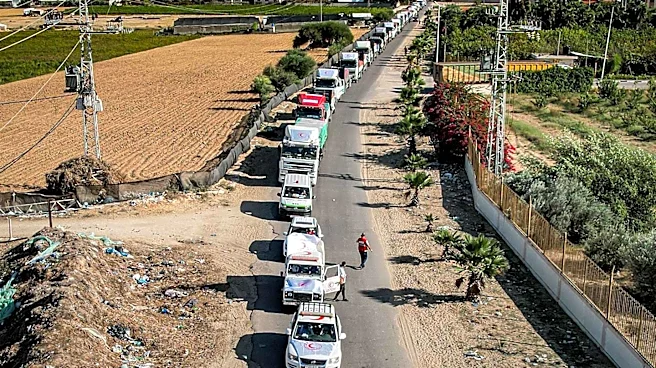
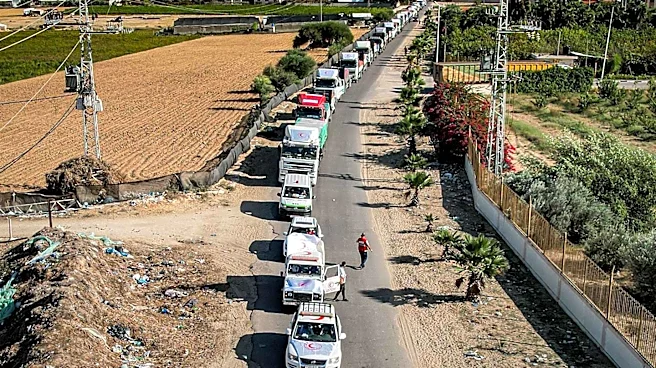
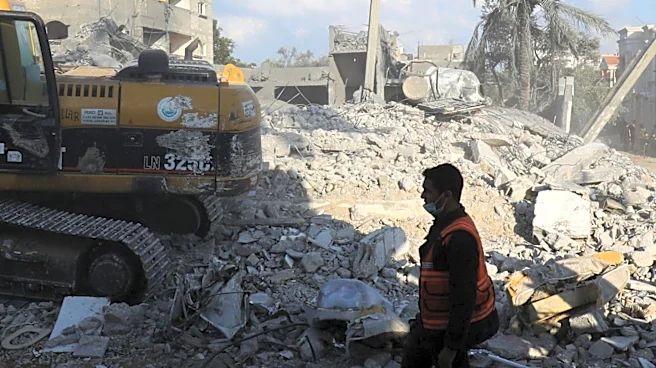
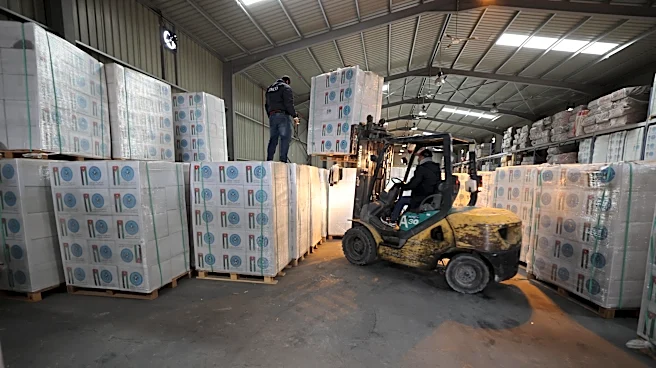
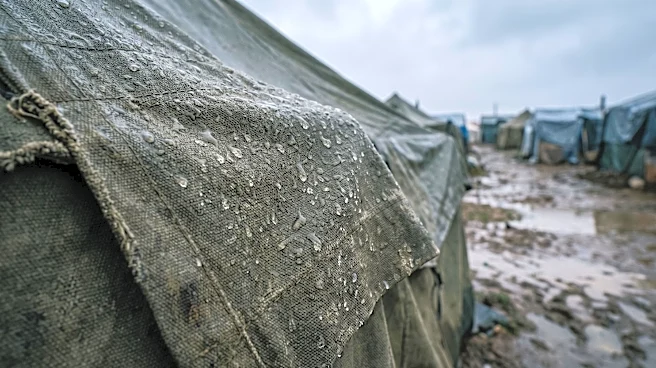
by the Coordinator of Government Activities in the Territories (Cogat) to the US-led International Gaza Support Center (IGSC), indicates a significant shortfall in food deliveries, medical supplies, tents, and infrastructure repair materials. The ceasefire deal stipulated that Israel would permit 4,200 vehicles carrying aid weekly, totaling approximately 18,200 per month. However, deliveries have consistently fallen short, with figures ranging from 4,700 trucks in March to a peak of over 13,000 in September, before sharply declining to just over 6,500 in October. Cogat has disputed these findings, claiming the data is 'inaccurate' and that Israel is meeting its humanitarian obligations. The situation is exacerbated by winter rains, which have flooded makeshift shelters and damaged displacement camps, affecting an estimated 226,000 people and creating public health risks from sewage-contaminated floodwater. The UN Office for the Coordination of Humanitarian Affairs (Ocha) reported over 40,000 damaged shelters, with more than 9,000 destroyed.
Why It's Important?
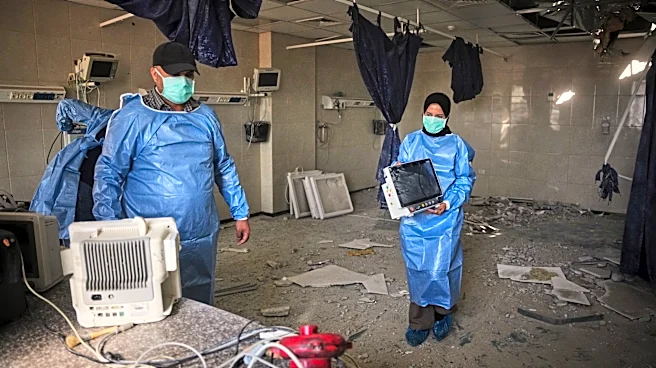
The alleged failure by Israel to meet its aid commitments has severe implications for the humanitarian situation in Gaza, particularly as winter conditions worsen. The ongoing shortages of essential supplies, coupled with widespread flooding, are creating a dire crisis for hundreds of thousands of displaced Palestinians. This situation not only threatens public health due to contaminated water and damaged infrastructure but also undermines the credibility of the ceasefire agreement. The international community, including the EU and Hamas leadership, has called for immediate and unrestricted humanitarian access, highlighting the urgency of the situation. The discrepancy between Israel's reported aid deliveries and its commitments could strain diplomatic relations and intensify calls for greater international intervention. The health infrastructure, already fragile, is further compromised by medicine shortages and damaged facilities, putting vulnerable populations, especially children and infants, at grave risk. The UN and other humanitarian organizations are struggling to provide adequate assistance amidst these restrictions and the deteriorating conditions.
What's Next?
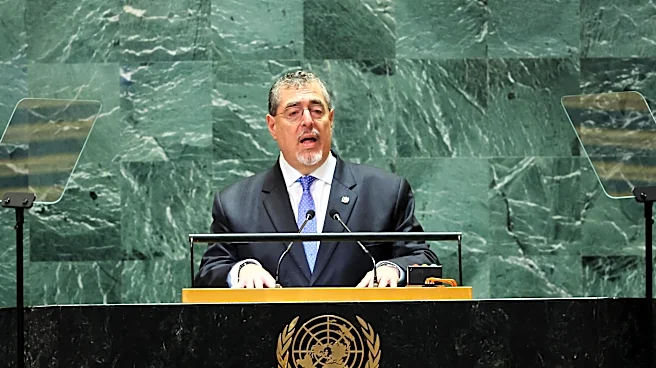
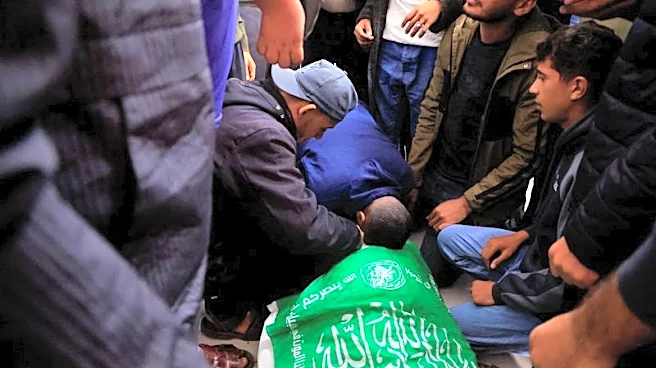
The international community is expected to increase pressure on Israel to adhere to its ceasefire commitments and allow unrestricted humanitarian access to Gaza. Hamas leader Khalil al-Hayya has called for an emergency international campaign to provide shelter and essential supplies, urging Arab and Muslim countries to pressure Israel and requesting an emergency meeting of the UN Security Council. The EU has also urged Israel to open Gaza crossings and ensure sustained aid deliveries by UN agencies. Continued monitoring of aid flows by organizations like the IGSC will be crucial in assessing Israel's compliance. The UN and other humanitarian bodies will likely continue to highlight the escalating crisis and advocate for the entry of winter supplies, tents, heating equipment, fuel, and materials for repairing essential infrastructure. The focus will remain on ensuring the protection of civilians and preventing further deterioration of public health conditions in Gaza.
Beyond the Headlines
The ongoing dispute over humanitarian aid access to Gaza highlights deeper issues surrounding international accountability and the enforcement of ceasefire agreements. The differing accounts of aid delivery between Israeli authorities and international monitoring bodies underscore the challenges in verifying compliance in conflict zones. This situation could set a precedent for how future humanitarian crises are managed and whether international agreements are effectively upheld. Furthermore, the severe impact of winter weather on displaced populations in Gaza brings to light the intersection of conflict, climate vulnerability, and humanitarian response. The long-term implications include potential demographic shifts, increased public health crises, and prolonged instability in the region. The calls for unrestricted access by UN agencies also raise questions about the sovereignty of humanitarian operations in areas under conflict and the extent to which international law can be enforced to protect civilian populations.