





What's Happening?
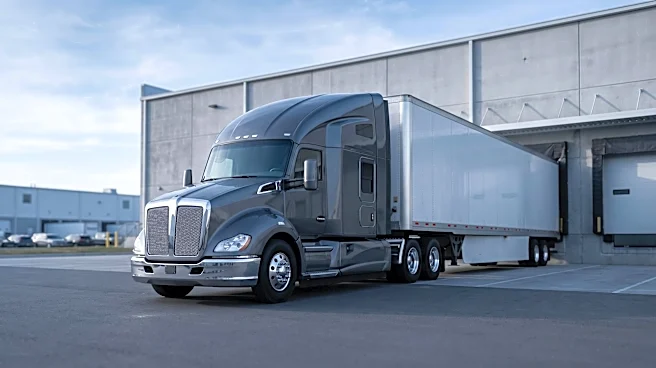
Members of Teamsters Local 175 have been on strike against The Beverage Market in Charleston, West Virginia, for over 100 days. The strike, which began on May 12 near Sissonville in Kanawha County, involves drivers responsible for delivering Coors, Miller,
and Modello beer to stores and bars across 30 West Virginia counties. West Virginia AFL-CIO President Josh Sword stated that the striking workers are maintaining their resolve and are prepared to negotiate a fair and reasonable contract. Key points of contention in the dispute include health insurance and retirement benefits. The union has alleged bad faith negotiations on the part of The Beverage Market. Conversely, The Beverage Market has previously asserted that driver pay can exceed $100,000 annually and that health insurance is highly affordable. The company is currently utilizing replacement drivers to continue operations. Sword emphasized the significant community support for the striking workers, which he believes is crucial for sustaining their efforts.
Why It's Important?
This prolonged labor dispute highlights ongoing tensions between organized labor and employers regarding compensation and benefits, particularly in the context of essential services like product distribution. The strike's duration, exceeding 100 days, indicates a significant impasse in negotiations and could set a precedent for future labor disputes in West Virginia. The involvement of the West Virginia AFL-CIO President underscores the broader union support and the potential for this local strike to gain wider attention within the labor movement. For The Beverage Market, the strike's continuation, coupled with the use of replacement drivers, could impact its distribution network and public image. For the striking workers, the loss of income over an extended period presents considerable financial hardship, making the resolution of health insurance and retirement benefits critical for their families. The community support mentioned by Sword suggests a public sentiment that could influence the dynamics of the negotiation and potentially impact consumer choices regarding the products distributed by The Beverage Market.
What's Next?
The immediate next step involves continued negotiations between Teamsters Local 175 and The Beverage Market, though the current impasse suggests a resolution is not imminent. West Virginia AFL-CIO President Josh Sword indicated that the union remains ready to meet and negotiate, placing the onus on the company to engage seriously. The ongoing use of replacement drivers by The Beverage Market suggests they are attempting to maintain operations, which could prolong the strike if a compromise is not reached. Community support, including events like the one planned in Fayette County, will likely continue to play a role in sustaining the morale of the striking workers and potentially exerting public pressure on The Beverage Market. The outcome of this strike could influence future labor relations and contract negotiations in West Virginia, particularly concerning benefits and working conditions for drivers and other unionized workers. Both parties will need to assess the long-term costs and benefits of continuing the dispute versus reaching a mutually agreeable contract.
Beyond the Headlines
The protracted strike by Teamsters Local 175 against The Beverage Market delves deeper than just wages and benefits; it touches upon the fundamental right to collective bargaining and the power dynamics between labor and management. The union's claims of bad faith negotiations, if substantiated, could raise legal and ethical questions about employer conduct during labor disputes. The reliance on replacement drivers, while legal, often intensifies animosity and can have long-term implications for workplace culture and employee relations once a settlement is reached. This situation also highlights the economic vulnerability of striking workers and their families, underscoring the importance of union support and community solidarity during prolonged periods without regular income. Furthermore, the strike's impact on the distribution of popular beer brands across 30 counties could subtly affect local businesses and consumer access, demonstrating how localized labor actions can have ripple effects throughout a regional economy. The resolution of this dispute will not only determine the fate of the striking workers but also serve as a barometer for the strength of organized labor in West Virginia.