



What's Happening?
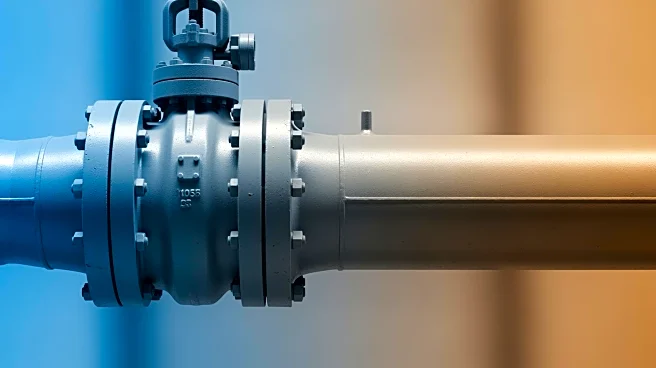
The European Commission has urged Hungarian Prime Minister Viktor Orbán and Ukrainian President Volodymyr Zelenskyy to reduce their inflammatory rhetoric over the Druzhba pipeline dispute. The pipeline, crucial for Russian oil supplies to Hungary, has been
a point of contention after a halt in deliveries. Orbán has vetoed a €90 billion loan to Ukraine, while Zelenskyy has suggested giving Orbán's address to Ukrainian soldiers, interpreted by Hungary as a threat. The European Commission is mediating to ensure energy security and support for Ukraine, while also addressing the halted oil supplies. The situation is complicated by Orbán's upcoming election and his campaign against Ukraine.
Why It's Important?
This dispute highlights the challenges the European Union faces in maintaining unity among member states with differing interests, especially regarding energy security and relations with Russia. The pipeline issue affects not only Hungary and Ukraine but also the EU's broader strategy to reduce dependency on Russian energy. The escalating rhetoric could undermine diplomatic efforts and delay financial support for Ukraine, impacting its economy and war efforts. The EU's ability to mediate effectively will be crucial in preventing further escalation and ensuring regional stability.
What's Next?
The European Commission is working to mediate the dispute, with potential financial support to expedite pipeline repairs. The outcome of Hungary's elections could influence the resolution of the dispute, as Orbán's stance may shift based on electoral pressures. The EU may need to explore alternative energy strategies to mitigate the impact of such disputes on member states. Continued diplomatic engagement will be necessary to prevent further deterioration of relations between Hungary and Ukraine and to maintain EU cohesion.